AI is here – should we prepare or panic? – LMD cover story

Linked from the Futureoflife Institute

A few weeks back I featured an ominous exercise, conducted seven years ago by the Navy Research Lab.Today Artificial Intelligence is taking us into a new machine age, with devices, and not just robots, being able to grow ‘intelligent’ with data they glean from other machines we use.

Big players are developing capabilities in AI –from PwC and IBM, to Tesla and Alibaba!

For the October issue of LMD I was commissioned to write the cover story on AI. You can access it here


Analog Yearbook data embarrasses. Imagine life after Facebook for public officials in 2048

I’m sure everyone in public office must be paranoid what someone might pull from their Yearbook entries thirty years ago. Now imagine what students of today might have to face in, say, 2048!

Anyone challenging a public official thirty years from now would have access to troves of data, not just on Facebook, but through deep searches using anything from selfies on Instagram, to SnapChat and Twitter that could reveal ‘background’ information. This could involve the precise location where someone was, and corroborated information gleaned from friend’s tagged photos and posts on other platforms. Would it be possible for a court to subpoena  backed-up photos on a Cloud service –just to establish a timeline?

When we teach digital literacy, we tell students to consider the digital trails they leave behind. Brett Kanaugh’s Yearbook entries being parsed by the media, investigators, and late night TV hosts are a lesson for anyone.


Google’s ProjectX, balloons, kites and PowerPoint

As a PowerPoint assignment last week I asked my Junior High students to look up Google’s ProjectX, and build a presentation around the theme, “The Future is Now.” They loved it!

No shortage of radical ideas at GoogleX –also called a Top Secret Project Lab. (At least on Wikipedia)

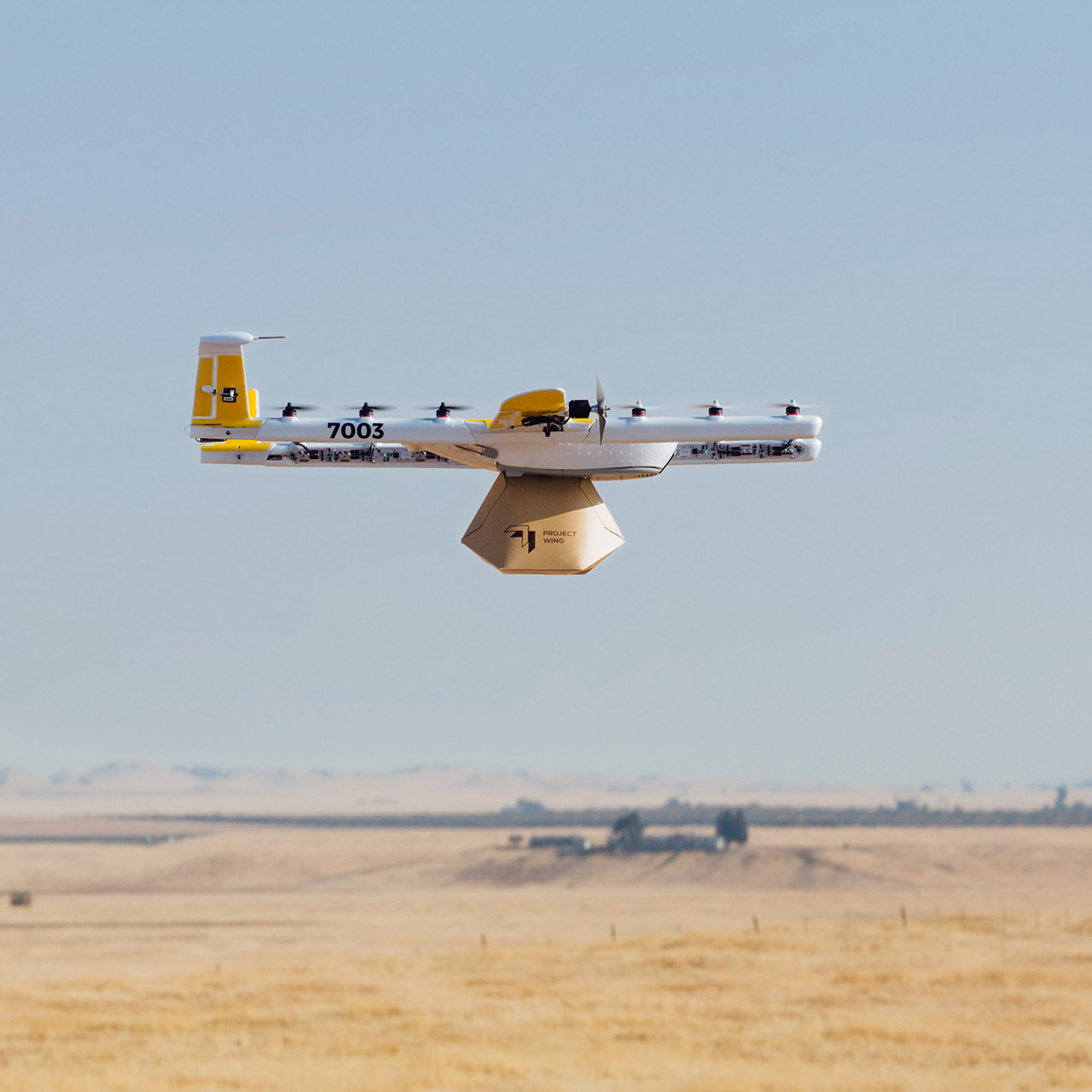
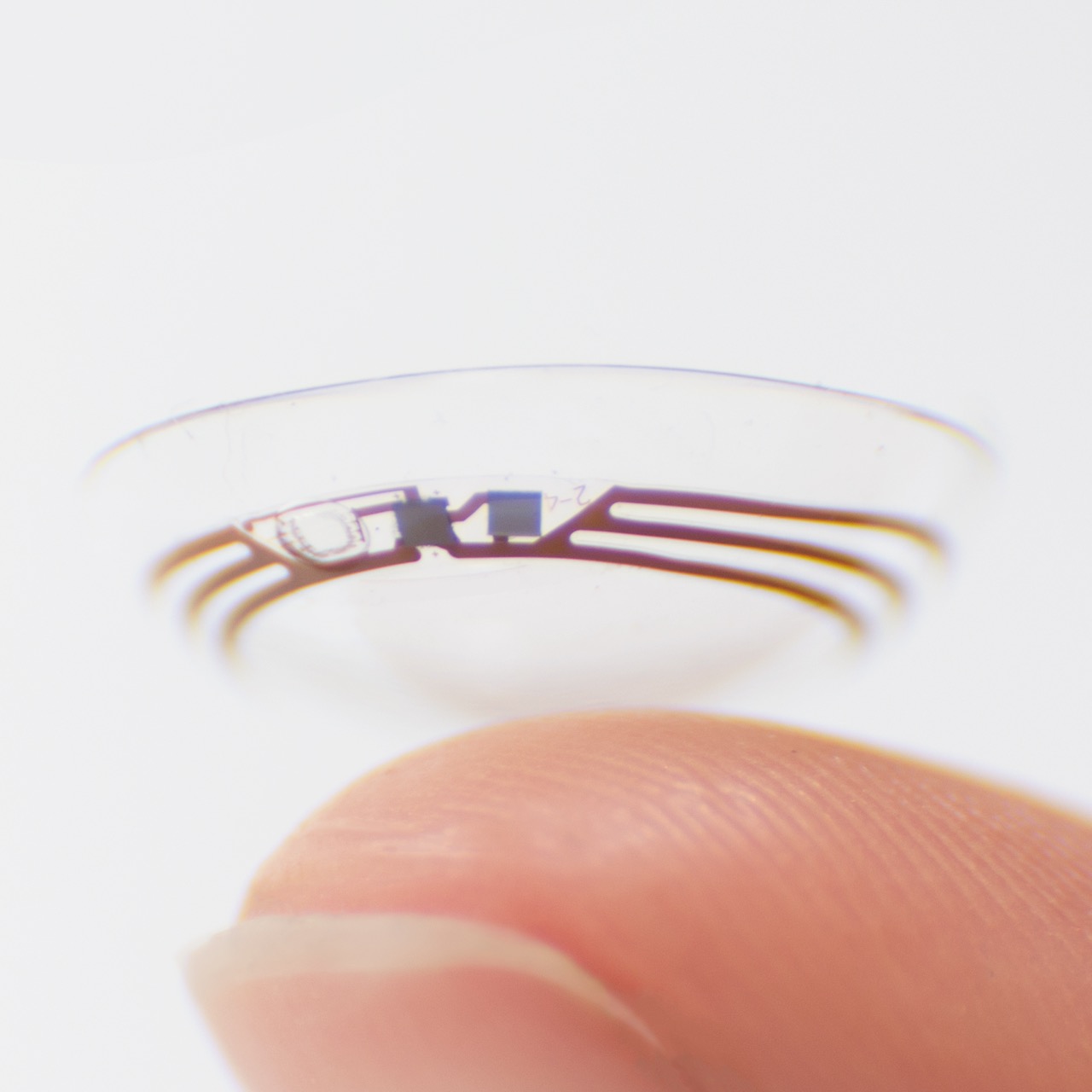
So they have picked material such as Project Loon, the ambition idea to deliver Internet connectivity to dark spots around the world using balloons. There is another called Makani which involves very large kites that act as wind turbines. That’s right weird looking ‘kites’! Then there’s Foghorn, a sea water project to produce a hydrocarbon alternative; Verily a life science idea involving contact lenses and machine learning. And many more. But not to be limited to Google labs, they can chose other developing technologies.

Their presentation should not just describe the state of R&D, but to explain it as an Impact Statement. This requires them to discuss it with someone at home or with a friend. Which is what makes a presentation more interesting than the typical ‘effects’ in PowerPoint.

Oh, and there’s also question time, when they must hear from their audience.


Entrepreneurship program begins Sept 24th. It’s Free!

poly-industry-partners

This is a 5-week program for undergrad students – would be entrepreneurs! Conducted by ASU and Chandler-Gilbert Community College.

Students learn how to come up with entrepreneurial skills that could solve community issues. They will learn the art of pitching the idea, and using technology to solve these problems.

They will also have access to the Cisco Innovation Challenge ($5,000,
$3,000 and $2,000 awards) that could help them launch or grow their project.

There are no GPA requirements and best of all, the 5-week program is free!

More details could be found here.

Poder

When humans shut down Robots

I found this demo quite creepy, but intriguing. It was a video created by a team at the Navy Research Lab in 2011 but is relevant today. A test to figure out how AI could be used to improve “sensor-based” activity between humans and robots.

It’s a plot twist with echoes of “2001 Space Odyssey” in which ‘HAL’ turns off the human life support system, and the human later returns the favor by shutting off the mainframe.

The human here shuts down the robots, Octavia and George – just in case the robot rebellion is pending! The robot uses what is called a ‘multi bio-metrics classifier’ for facial recognition. Maybe I’ve been reading too much of Isaac Asimov lately, so this is quite chilling.

Google’s 20th anniversary today. How did you survive before?

What were you doing on September 4th, 1998?

I know I was just getting the hang of email, with Hotmail – the ‘revolutionary’ web-based email service that a fellow called Sabeer Bhatia created. It was soon folded into Microsoft’s Hotmail, and became very clunky. MP3 players were just coming into circulation. Apple was more in the news with the iMac; John Glenn went back into space.

But Sergei Brin and Larry Page started something that would turn information into data, and data into advertising that would make them some of the richest young guys. They also dreamed big with moonshot ideas, some of which withered on the vine, but others took off. Literally.

Despite the problems and controversies Google faces, its ‘Moonshot factory’ is still changing how we communicate, learn, and advertise. Google says it intends to have a “10x impact on the world’s most intractable problems.” It means crazy ideas (that’s what ‘moonshot’ implies, after all) such as ‘kite-electricity,’ and fighting disease.

I’m still quite annoyed at the sight of, and concept of autonomous cars, so thank you very much, Google. I’m no Luddite but I’m happy to own and operate an invention that worked fine in 1998, and still does. But twenty years from now imagine how we would look back at today.

Team Lanka at Robotics Olympics in Mexico this week

Last July, our team went to to the kickoff  Robotics tournament in DC.

This year, the team’s expanded to include students from other schools in the country.

  • Students: Cong, Daniel, Felix, Hamza, Lasith, Navod, Sachin, Sherwin, and Syanthan.
  • Coaches: Shankar, Jekhan, Dilum, and Srimali

This is one impressive gathering of 170 nations. It is hosted by the ‘FIRST’ organization, which is the umbrella organization that holds 5 other robotics tournaments around the country, such as FIRST Lego League Jr., FIRST Lego League, FIRST Tech Challenge, and FIRST Robotics for grades K-4, 4-8, 7 – 9, and 9-12 respectively.

I’ve worked with FIRST for the past 6 years, and met Dean Kamen, the founder, who’s one of the biggest STEM promoters I’ve ever known. He puts his money where his mouth is, a serial entrepreneur and educator who inspires youth across all ages. If you like to know how to get your school involved in robotics, or STEM, let me know.


How did the stylus, SHIFT key and floppy survive?

When teaching students keyboarding, or document creation I can’t help notice how much old tech is embedded in our fancy tech tools and applications.

Consider the stylus, which originated as a reed, to inscribe ‘information’ on tablets made of clay. History tells us that humans used tablets way back too! 

Then there’s the irreplaceable pencil, often the symbol that something could be edited (for instance in LinkedIn). Facebook uses the pencil icon to ‘make a post’, and for editing one’s profile.

Or consider the floppy disc -which none of my 7th grade students could identify. It lives on as an icon on the ribbon of Microsoft Word. Those who designer of the interface must have been hard pressed to find a replacement to the simple icon.

And isn’t it odd that we still use the 144-year-old QWERTY keyboard from the typewriter era? It apparently made its debut on July 1, 1874. Even the SHIFT key is a hold-over from that revolutionary device. It came into being with the Remington model of 1878. The first Remington sold for $125. I picked up a similar-looking typewriter for $50 recently. It sits next to a laptop, fighting for attention!

New tech can’t completely erase old tech. Nor do we seem to be able to replace one with the other, do we? Makes me wonder what else will survive, should touch pads, thumb drives, and the camera (how many use one today?) icon go away.