Don’t believe Lonely Planet. Don’t look at the once-sleepy up-country tea-trading town of Bandarawela only as a place overtaken by tuk-tuks and buses. That’s just one part of a town that’s outgrown it’s status as a hub for tennis tournaments, a wholesale vegetable trading route, and where some of the finest tea comes home to roost.
The Bandarawela I know is still in tact, if you care to look. The quiet three-mile walk past old churches, convents, and a haunted house. The breathtaking switch back (in these parts we call them ‘hairpin bends’) up to Pilkinton Point. A quick dip in the waterfall on the way to Diyatalawa, and so much more.
Reading among students in the US has been stagnant for the past 20 years – according to a recent NAEP study. An expert quoted in the article (how reading is good for the brain) says schools are too focused on reading for comprehension, while not focusing enough on vocabulary and background knowledge about what’s being read. See my related post on adult reading that also seems to be in steep decline. Pew Research tracks reading trends. A recent survey of 2,002 adults, ages 18 and older, showed this.
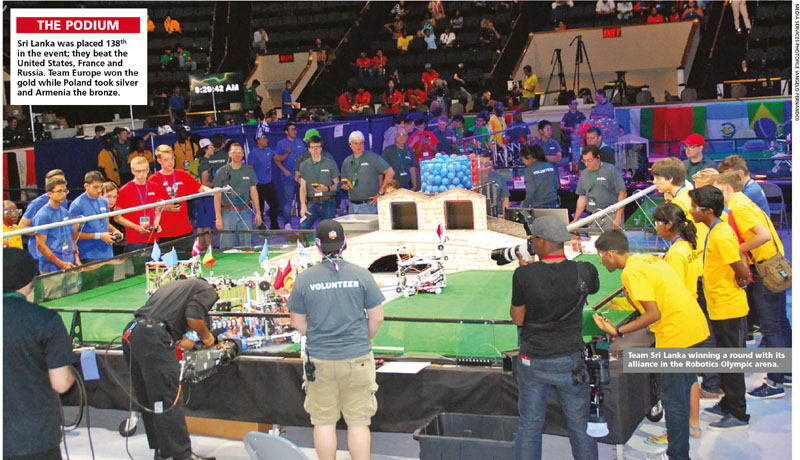
A short walk from the White House, the steps leading up to a neoclassical building where Robin Williams once performed spill over with teenagers in bright yellow and blue T-shirts. Using screwdrivers and wire, they are feverishly fixing their robots. It’s only 15 minutes before Round 1 of the two-day competition held in July – a global event drawing 163 teams from 157 countries.
The humidity in Washington D.C. hovers around 90 percent and Team Sri Lanka’s four students are sweating bullets. Huddled in a basement, and parked between Senegal and Sudan, their 20-wheel steel robot needs some repair work.
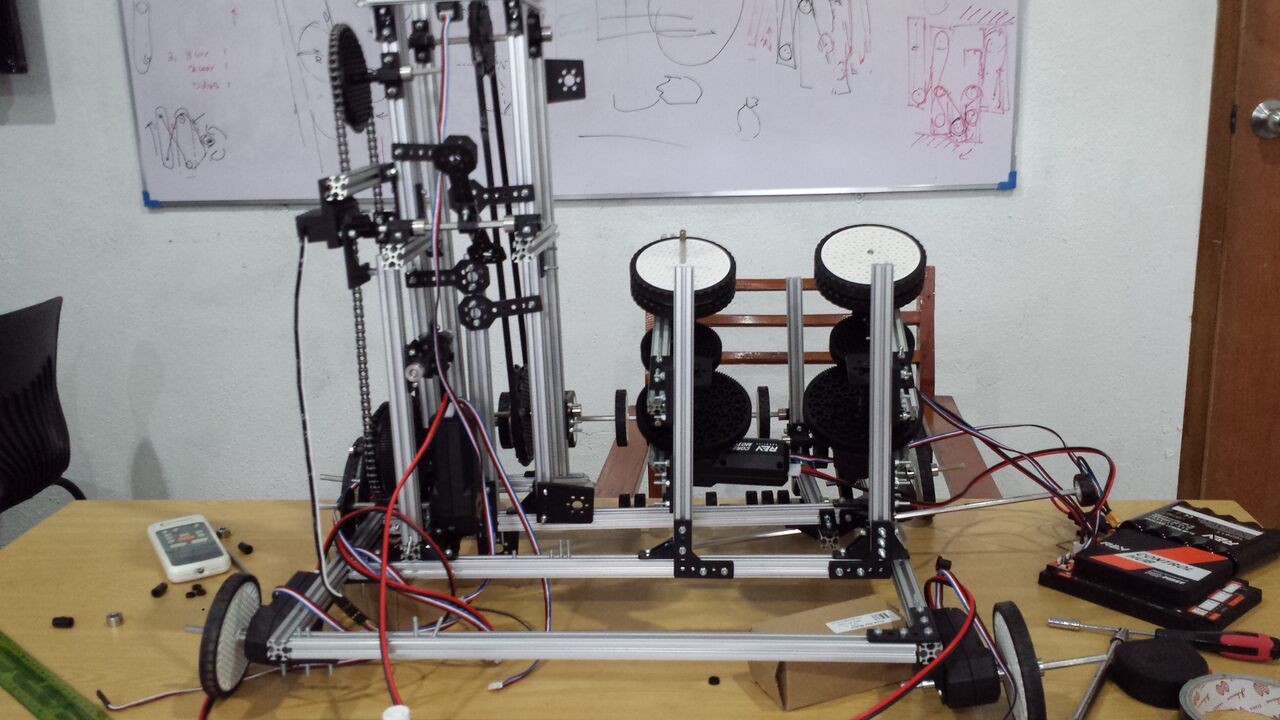
Why? The bot they had built in a classroom (so secretive was the project, they called the room ‘Area 52’) arrived with a warped axle and damaged omni wheels. The motor failed too, which is not an uncommon problem among teams here. In a few minutes, they must have their 23-kilogramme robot working. It is the ‘Olympics,’ after all…
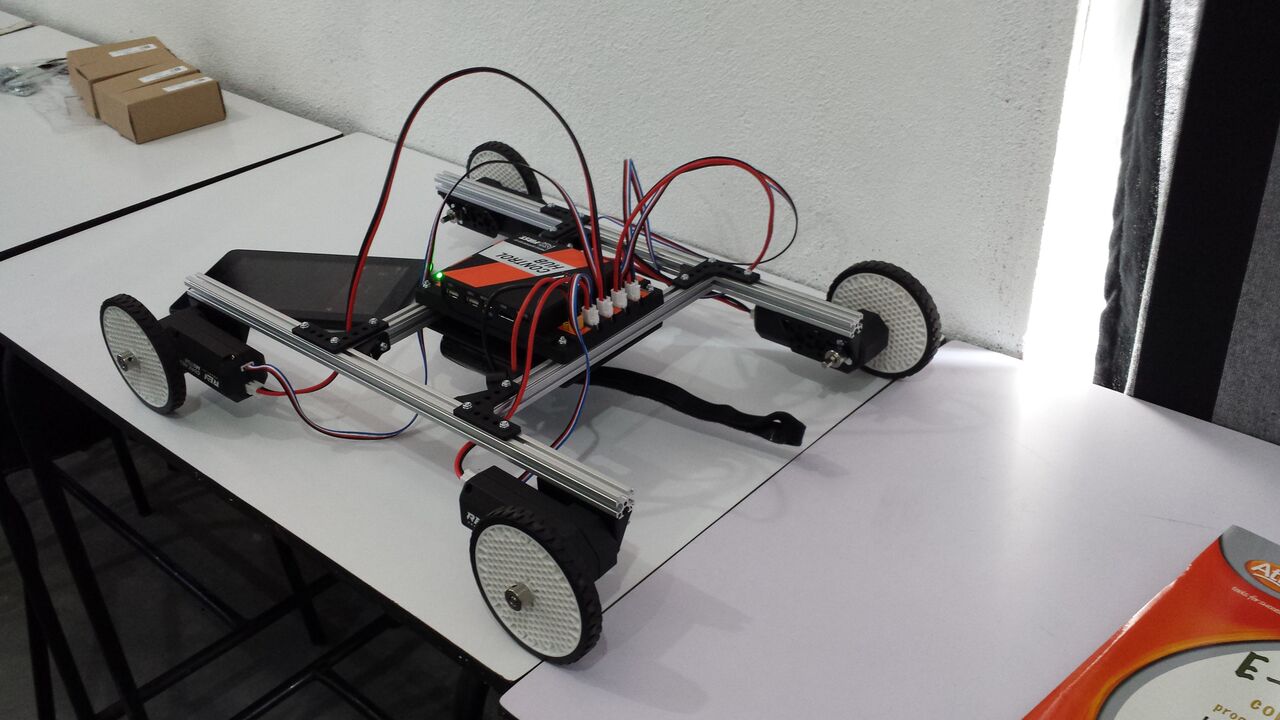
Yesterday I spoke to Sri Lanka’s four-member team making the final tweaks to their robot, with hundreds of moving parts including 8 motors, 4 sensors, 4 servos, and some pretty fancy wheels. (This was them, 2 weeks ago.)
These are A-Level students, with the grit and passion you’d expect from college kids. They’ve mastered the programming software Blockly. They tell me they redo some parts of the design, just to be sure. In two weeks, they pack it all up and head to DC.
Today I also spoke to Joe Sestak, president of FIRST Global, and he told me how impressed he was by this team which is so committed, despite getting the robot kit a few weeks later than most other country teams.
I just interviewed Kris Canekeratne, CEO of Virtusa, a 20,000-strong global business consulting and IT outsourcing company headquartered in Massachusetts. Among the many strands we talked about, I was fascinated by his take on learning, and how schools ought to be the ‘ignition’ for curiosity.
“Students have an innate proclivity to curiosity,” he says – no different how engineers are inherently curious, with problem-solving and design thinking as part of their skill set. If only we could design schools to be the spark plugs of knowledge! It’s time we began exposing students to Big Data, Nanotech, AI, user experience, and gamification, he says, instead of teaching them how to memorize material just to pass exams.
To this end, here’s an example of design-thinking class at a Charter School in Berkeley, California.
This morning my nephews, Nikhil and Shenal, surprised me with a a video of a robotic device they built from scratch.
You’ve probably seen STEM projects that involve making bots or mechanical arms using batteries and sensors. This whatchamacallit does not require electronics. Just cardboard, pins, and syringes.
As a teacher, there are three things I love about this project:
They don’t read off a script!
The commentary is a conversation, building drama (including a mini count down) as the brothers wrestle with the device
Simple explanation of the scientific principles – about levers, the ‘power’, and traction
I like how the claw seems to have a life of its own – good choice of camera angle!
This is what the Maker Space movement encourages, to build, test, fail, redesign, and demonstrate. Their ‘lab’ is their kitchen table!
Last week I was contacted by ‘FIRST Global‘, an organization launching an Olympic-styled robotics event in Washington, DC, in July 2017. They were keen to see students from Sri Lanka represent their country.
I have been talking to organizations in Sri Lanka about this, and wanted to summarize details of the endeavor.
FIRST Global is the brainchild of serial entrepreneur, Dean Kamen, whose organization holds several robotics competitions for schools across the country. My school participates in it, and I have been the robotics coach since 2012. But this event is different, and stretches its global footprint to reach out to every country on earth, and empower students in engineering and science.
The Goal: To ignite a passion for Science, Technology, Engineering, and Mathematics (STEM) among the more than two billion youths across the world.
Dates: 14 – 18 July, 2017
The Requirement: High-school students (ages 15 – 18) who would build and program a robot from a provided kit (hardware and software)
Team: Could comprise 3 students, plus a coach
What I like most about this event is that it fosters a new international movement among future STEM leaders who will use the ‘competition’ as a springboard for global collaboration not just in robotics but in the emerging fields within science and technology.
The Robot Challenge: The focus this year is on Water. More specifically access to clean water.
For this, the robot table at the competition will be set up with challenges solving the global water crisis.
This could be similar to how the ‘missions’ are set up on the board for the other FLL competitions (2016 wasAnimal Allies, in 2015 it was Trash Trek etc) in which the robot to accomplish as many missions as possible within two and a half minutes.
For students who might want to contact me, here is one of the videos that explain the hardware that will be available to design their own bot. If you need more information, please contact me at publicradius at gmail.
Dec. 2015 was my last column in LMD Magazine. After 20 some years, I’ve decided to put down the pen and become a consumer, rather than a contributor. (And yes, it’s always been a pen!)
I began writing for the magazine back in 1994, as an ‘occasional’ contributor. By 1995, publisher Hiran Hewavisenti cajoled me to start a column after we returned to the US, and …the rest is history.
I admit, ‘retiring’ as a columnist was a tough decision, considering how much it connected me with many of you readers in Sri Lanka and elsewhere. It’s funny how ‘old tech’ print publications like this have been the precursors of our fancy schmancy social networks. It’s how I’ve met tech evangelists, entrepreneurs, and a wide range of thought leaders in emerging sectors. You’ve helped me cover topics such as US political campaigns, and advertising to diplomacy, from the tsunami to the ‘Uber economy’, from mobile learning, and cyber wars to artificial intelligence.
I like to thank the staff at LMD for their wonderful support, and my fellow columnists who sometimes became my sounding board, as they covered complimentary, emerging topics from different corners of the world. And last but not least, I have to thank my readers, many of whom write back, or send that occasional tweet.
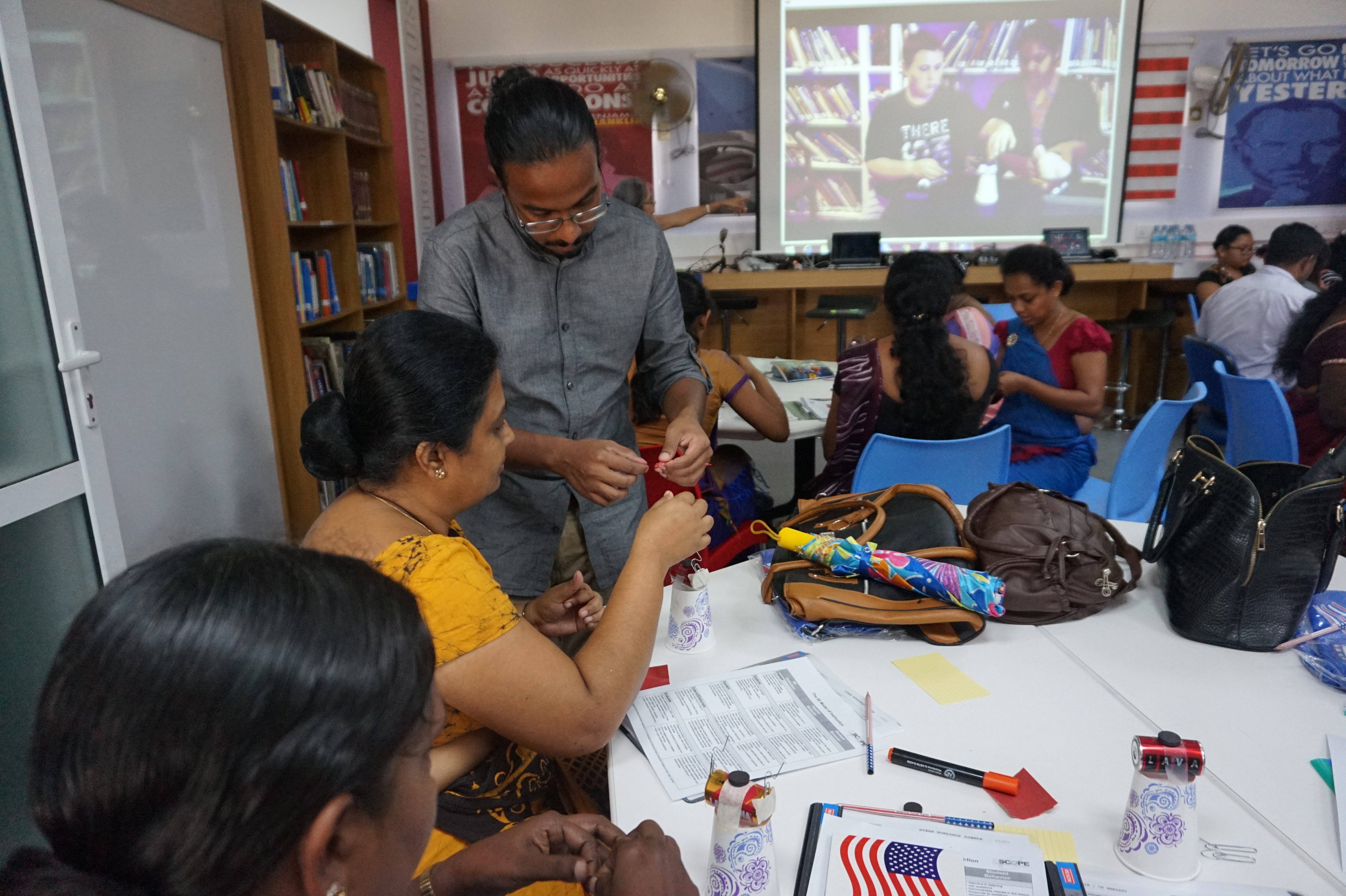
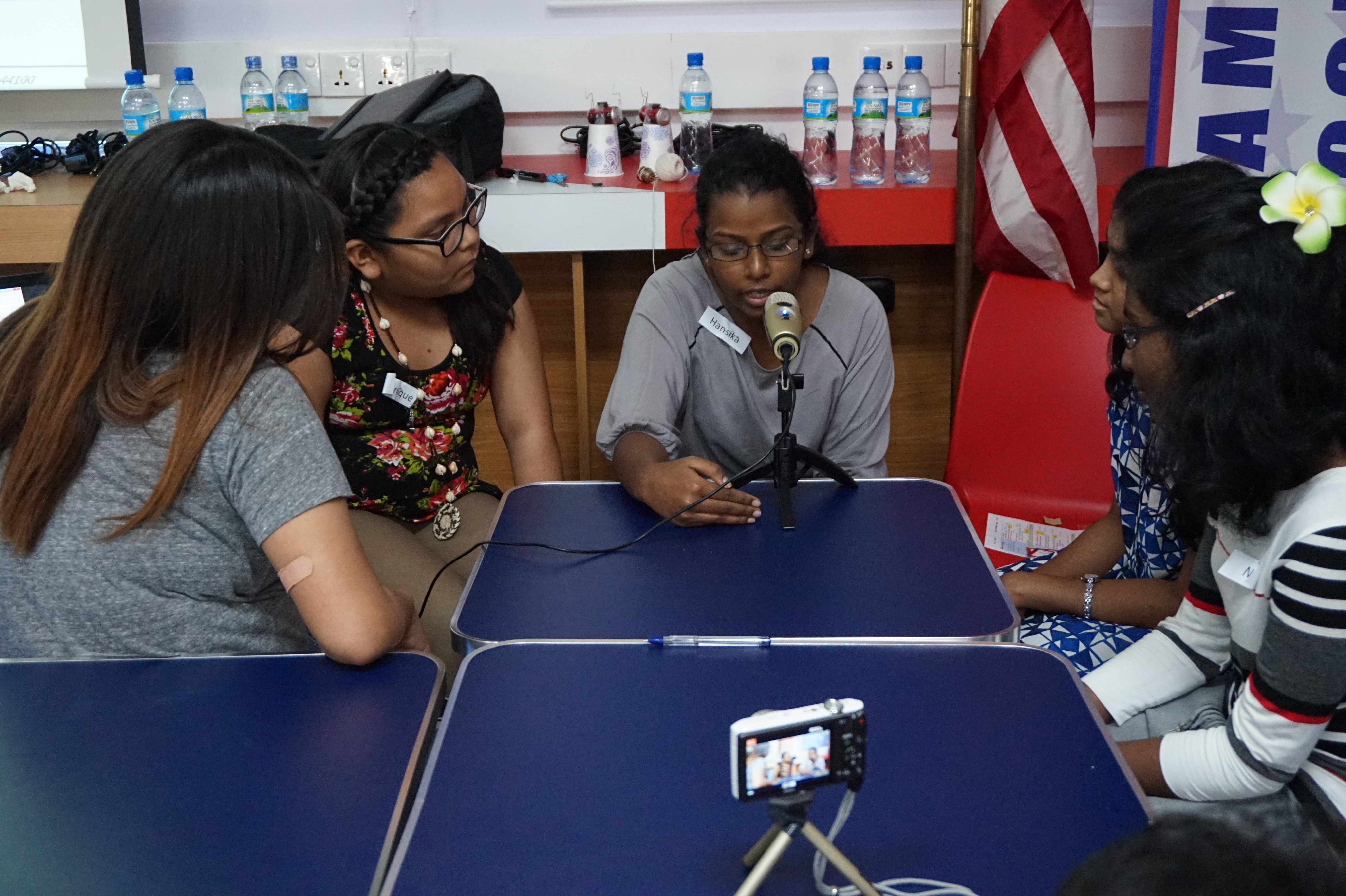
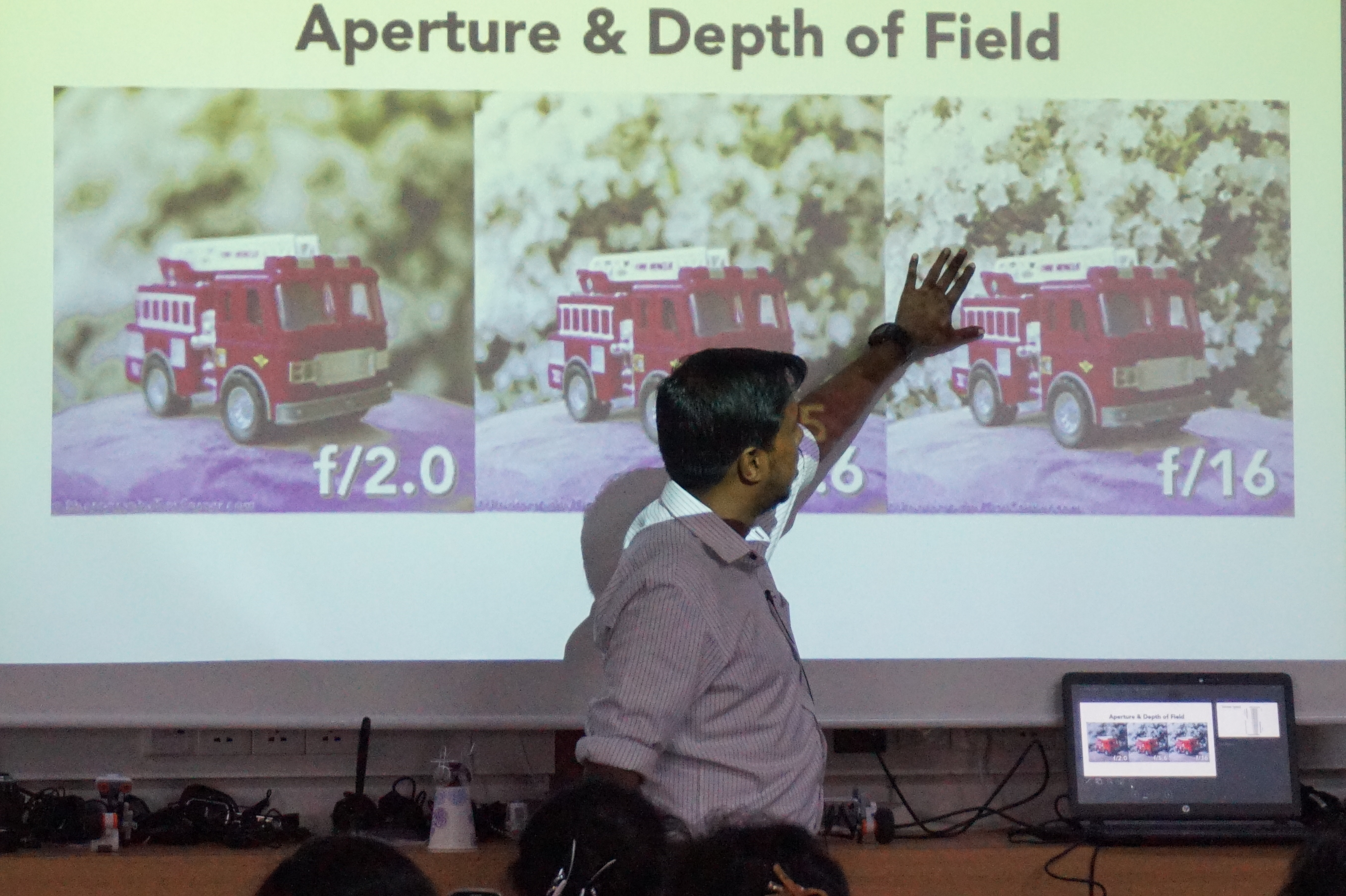
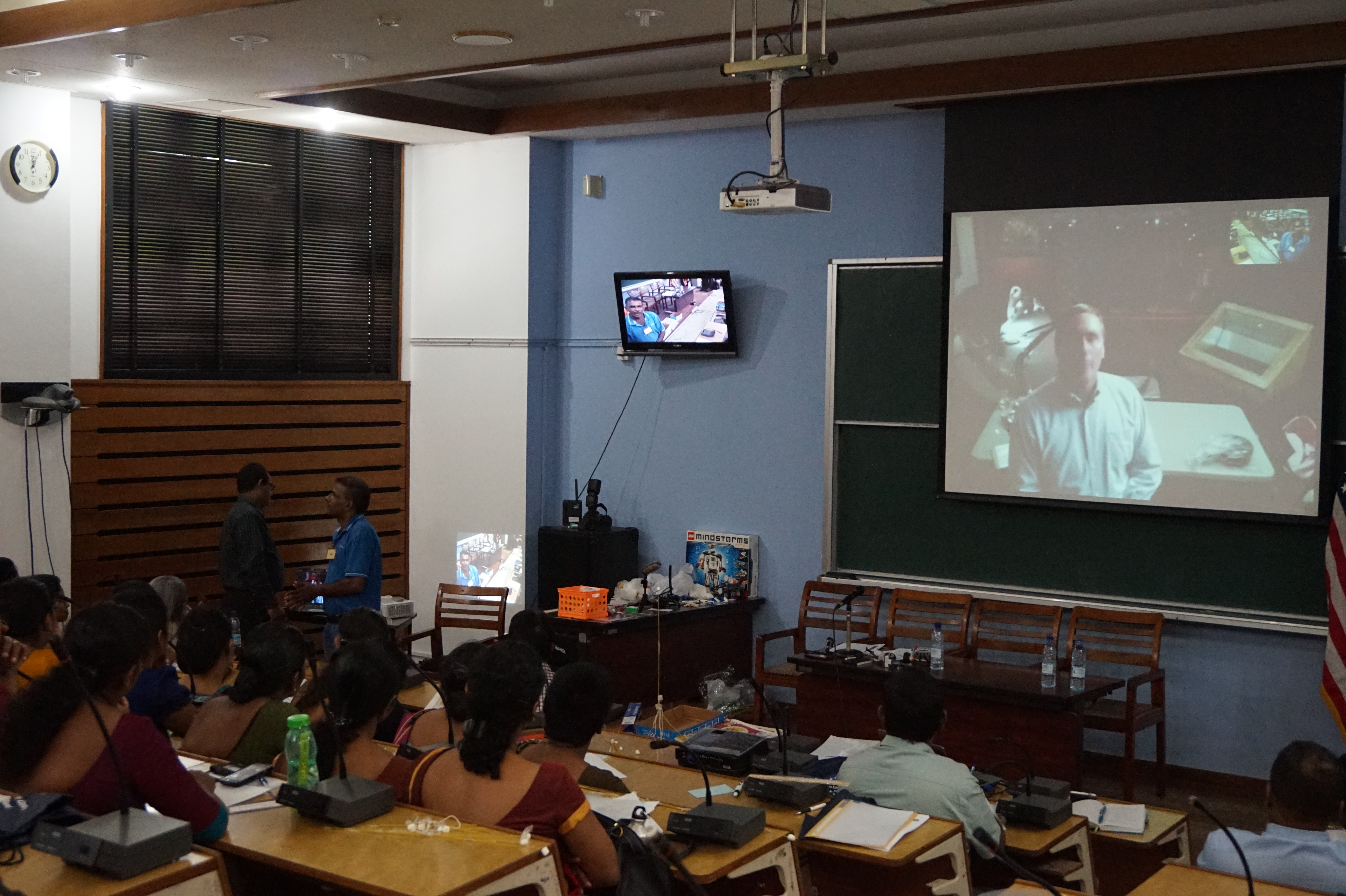
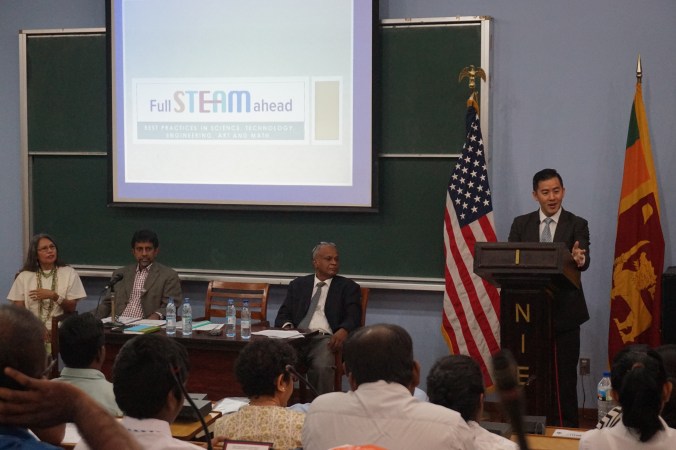
Just got back from a short trip to Sri Lanka, where I conducted two workshops for teachers.The first was in Maharagama on Dec 15th & 16th. The second workshop was in Kandy on Dec 18th.



 I began writing for the magazine back in 1994, as an ‘occasional’ contributor. By 1995, publisher Hiran Hewavisenti cajoled me to start a column after we returned to the US, and …the rest is history.




 Hoipolloireport