I ask this only because I am a photographer, and I find myself not taking the same kind of pictures I used to. One reason is pretty obvious. I rarely use my Nikon now. I use my phone. I know. I know. I never thought that day would come!
I am on record saying that a smart phone is a very expensive camera that pretends to be a phone. The ratio of phone calls made to pictures taken is probably telling for some of us. But we have been complicit in this, not questioning how phones are marketed. And priced. They always stress the quality of the lens.
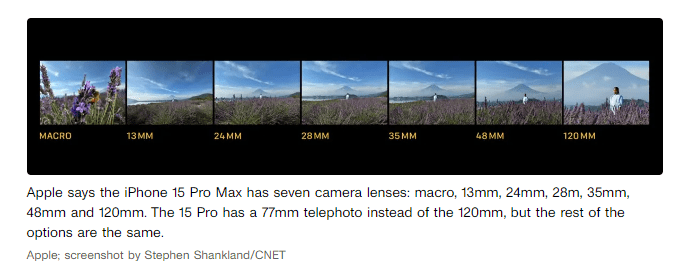
I didn’t realize that some phones have seven lenses. Seven!
Last June was the first vacation I took–to Sri Lanka and England–for which I didn’t lug my camera. My excuse: to travel light. I was almost regretting it, but I found that the pictures I took were coming out with better quality than if I used my trusted SLR. Which disappointed the photographer in me, but was ironically satisfying.
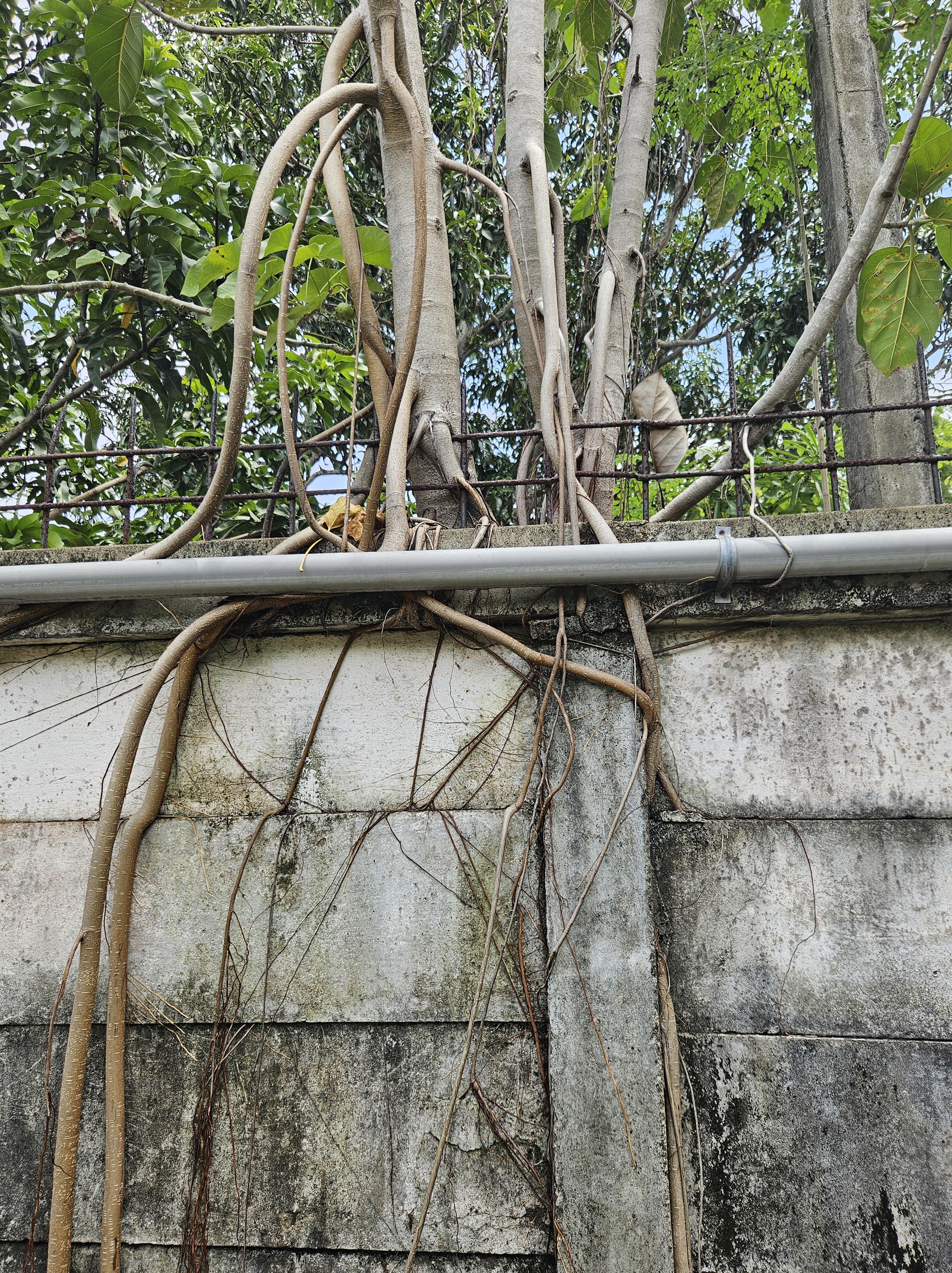

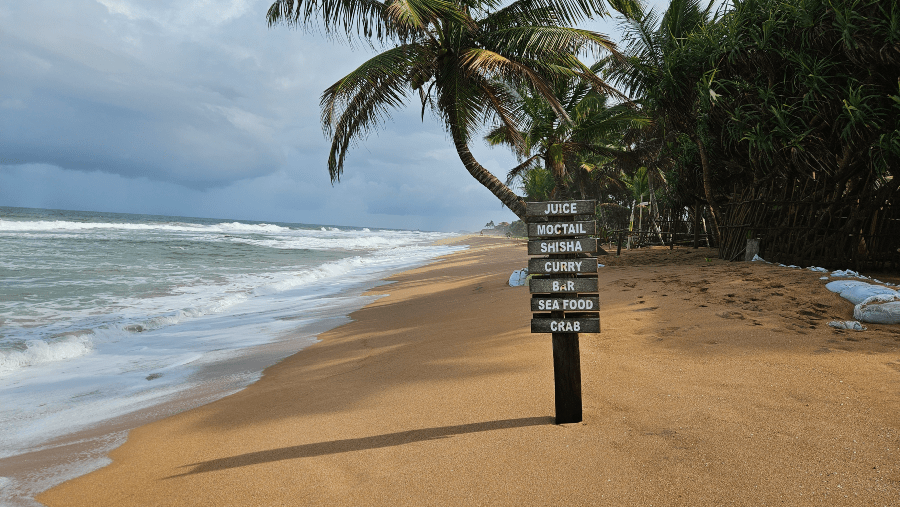
As you can see, the close ups as well as a low-light long shot worked well, with no tweaking of ISO settings or shutter speed on my part.
But having said that, I found myself taking too many pictures of ridiculous things. Like this protest sticker inside the Tube in London – just to show my daughter. And pictures in stores, and of plants. Not for ‘memories’ but because, well, I couldn’t resist. And in case you’re noticing, yes this picture quality is terrible, and it is so poorly framed. After all, I was just clicking, not caring about the photo part in photography.

This year too I did the same thing. No SLR–just the phone. Once again, too many pictures. Which makes me question if the technology has forced us to become documentarians, and takes of pictures’ rather than photographers. I (still) tell my students that photography is the ‘study of light.’ But as one clicks, barely looking at the scene (since there is no viewfinder, anyway), we have forgotten how to frame a shot, balance the subject, look for the best light source etc. Will these skills be lost forever? You tell me!
The other issue of where we store these memories. No longer do we want to print them out and carefully curate them in photo albums, so that we could share them on a later date. Now? We’re always connected, peering at each others’ screens. The small screen has become our album. Why did we take these steps?
You might say ‘convenience.’ I would disagree. I think we were sold on a lie, and we don’t like to address the cognitive dissonance that we are not ‘making memories’ with our fancy-schmancy devices, but overloading our neurons. All this while erasing important memories because we could only have so much space in our ‘hard drives’–meaning our heads.
__________________________________________
In case you’re wondering, the three images above from Sri Lanka are taken at: The Open University of Sri Lanka in Nawala (roots); St. Peter’s College Clubhouse, Colombo 4, taken from across the canal; Bentota beach at Temple Tree resort.

 Hoipolloireport