Science and Tech Workshop in Sri Lanka

Just got back from a short trip to Sri Lanka, where I conducted two workshops for teachers.The first was in Maharagama on Dec 15th & 16th. The second workshop was in Kandy on Dec 18th.

Here are some stories about the workshops:

Much thanks to my co-presenters:

  • Dr. Paul Funk – Engineer, US Dept. of Agriculture, New Mexico (Via Skype)
  • Ruben Gameros – Autonomous Collective Systems Laboratory, Arizona State University (Via Skype)
  • Scott Logan – Montessori International School, Mesa, Arizona (Via Skype)
  • Lal Medawattegedera – Lecturer, Open University of Sri Lanka
  • Nalaka Gunewardene – Science writer, author, trustee of the Science and Development Network
  • Nazly Ahmed – Web App Dev at Social Seed Media

Also the two Keynote Speakers:

  • Dr. Ajit Madurapperuma – Dir. Of Information Communication Technology, ICTA
  • Dr. Nalin Samarasinha – Astrophysicist at Planetary Science Institute in Tucson, Arizona (Via Skype)

Finally, thanks to the American Center in Sri Lanka who made this possible – especially Joshua Shen.


DSC01238

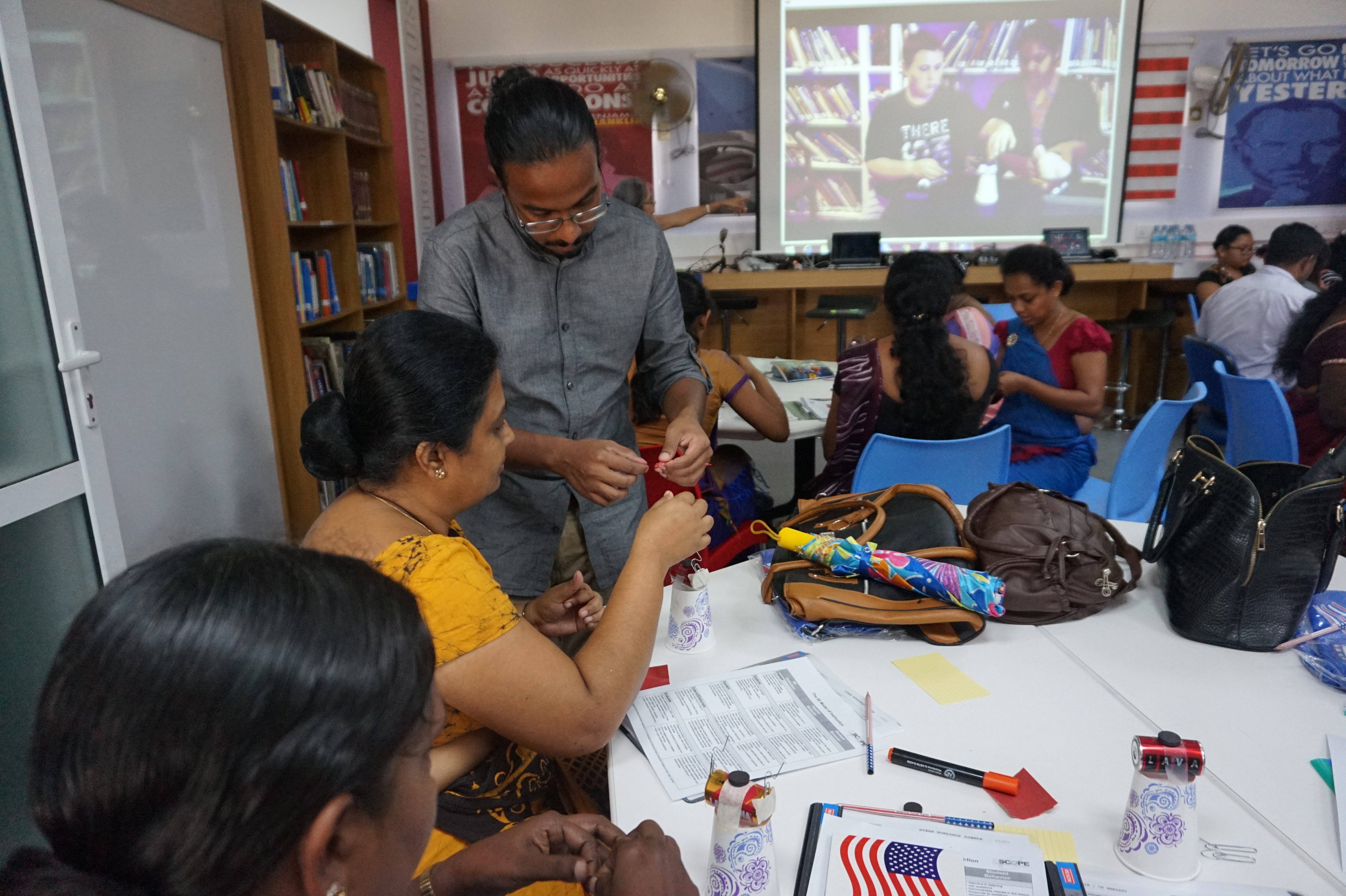
Hands-On Engneering – Spaghetti Tower Challenge


DSC01270

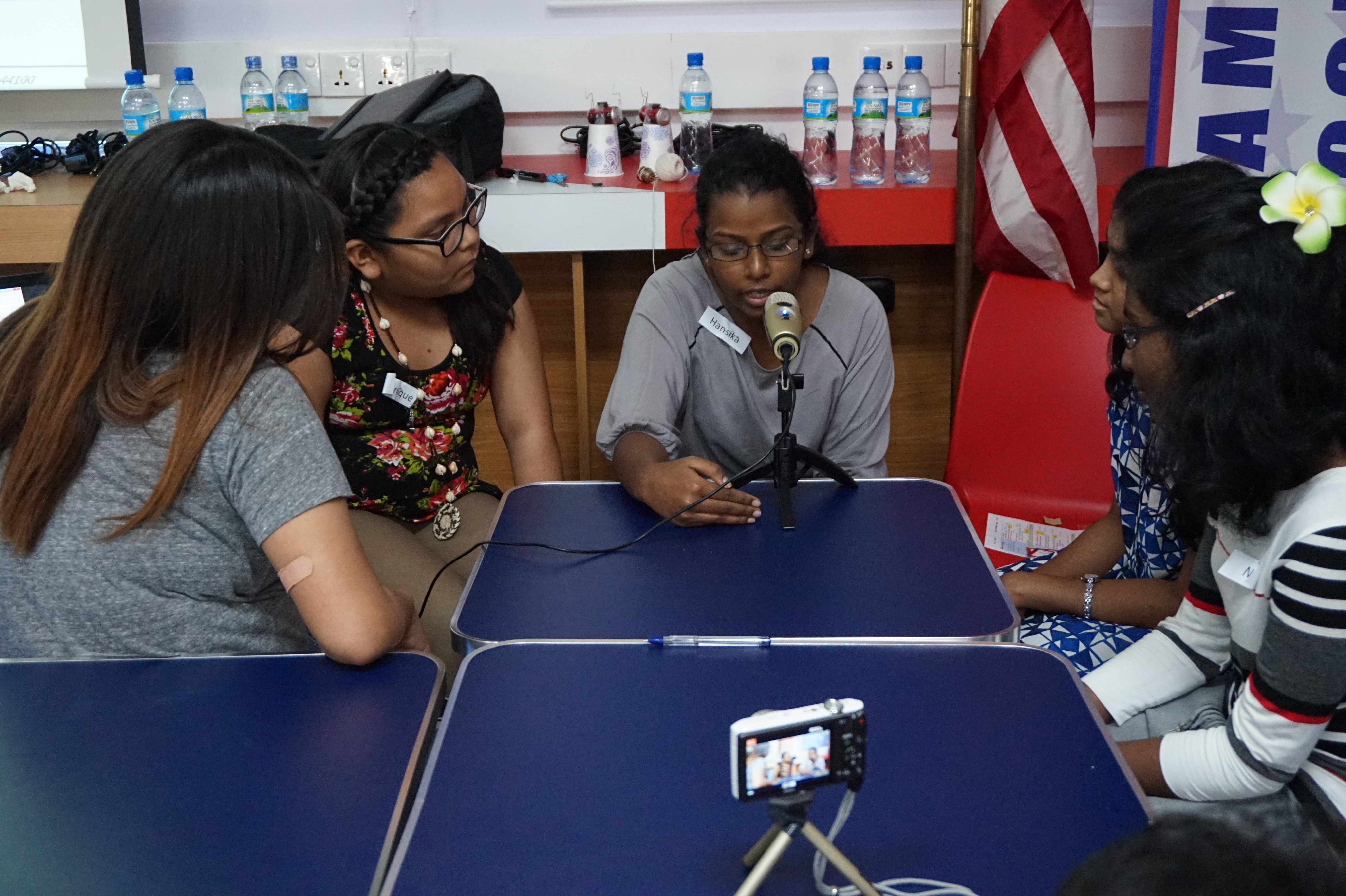
Hands-on session on Audio Recording

Scot Logan & Students

Hands-on session on Motors and Electro-magnetism

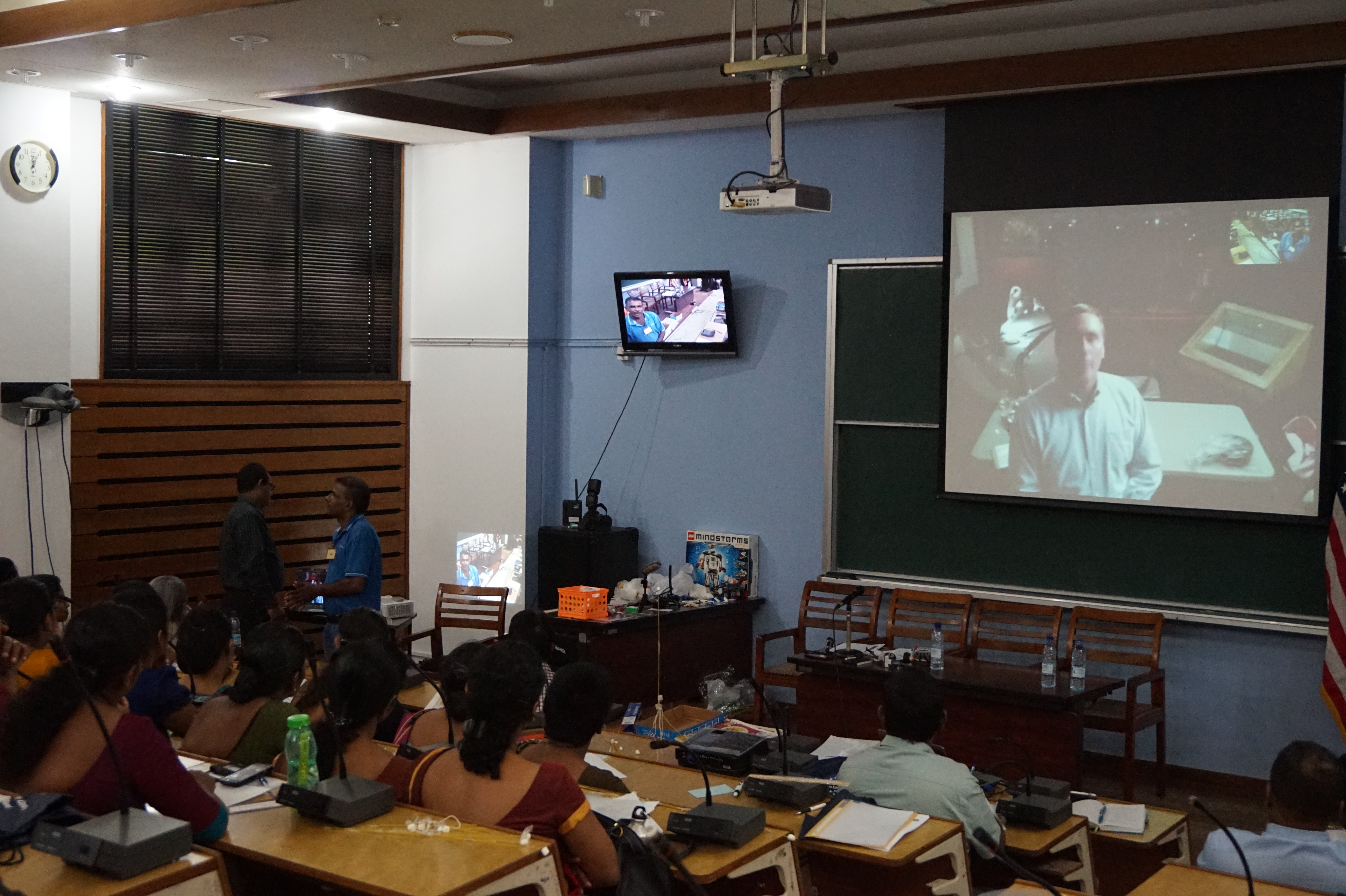
Scott Logan & students at Montessori International School, teach class – via Skype

DSC01361

Aaron Fernando facilitates session

DSC01402

Using audio and video for content creation

DSC01415

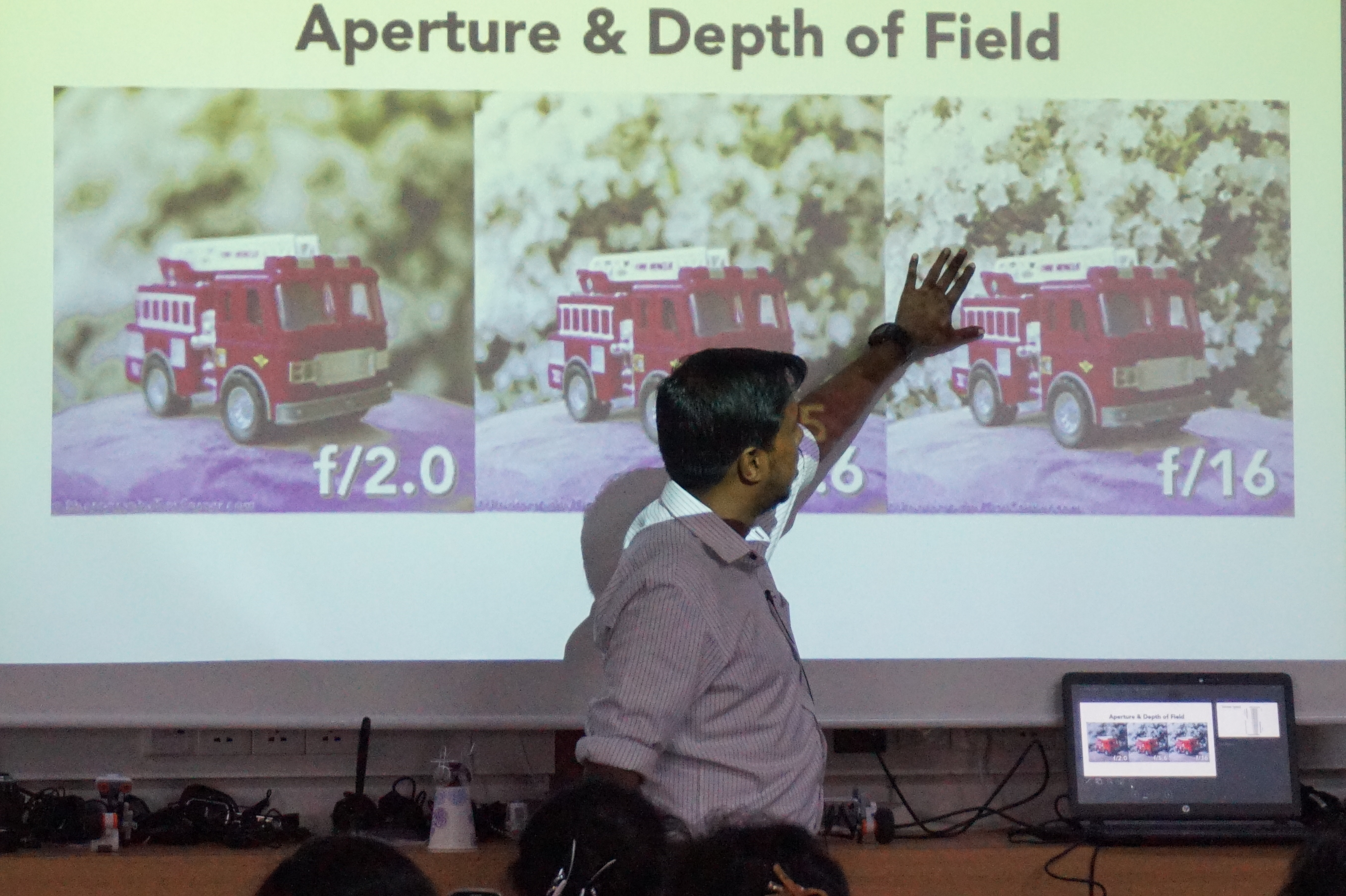
Photography in Science – From SLRs to GoPro

Nazly Ahmed, Social Seed Media explains Depth of Field

DSC01246

Engineering & Problem Solving – Building a Solar Oven

Paul Funk, US DOA

NalakaG

Teaching Science Writing

Nalaka Gunewardene

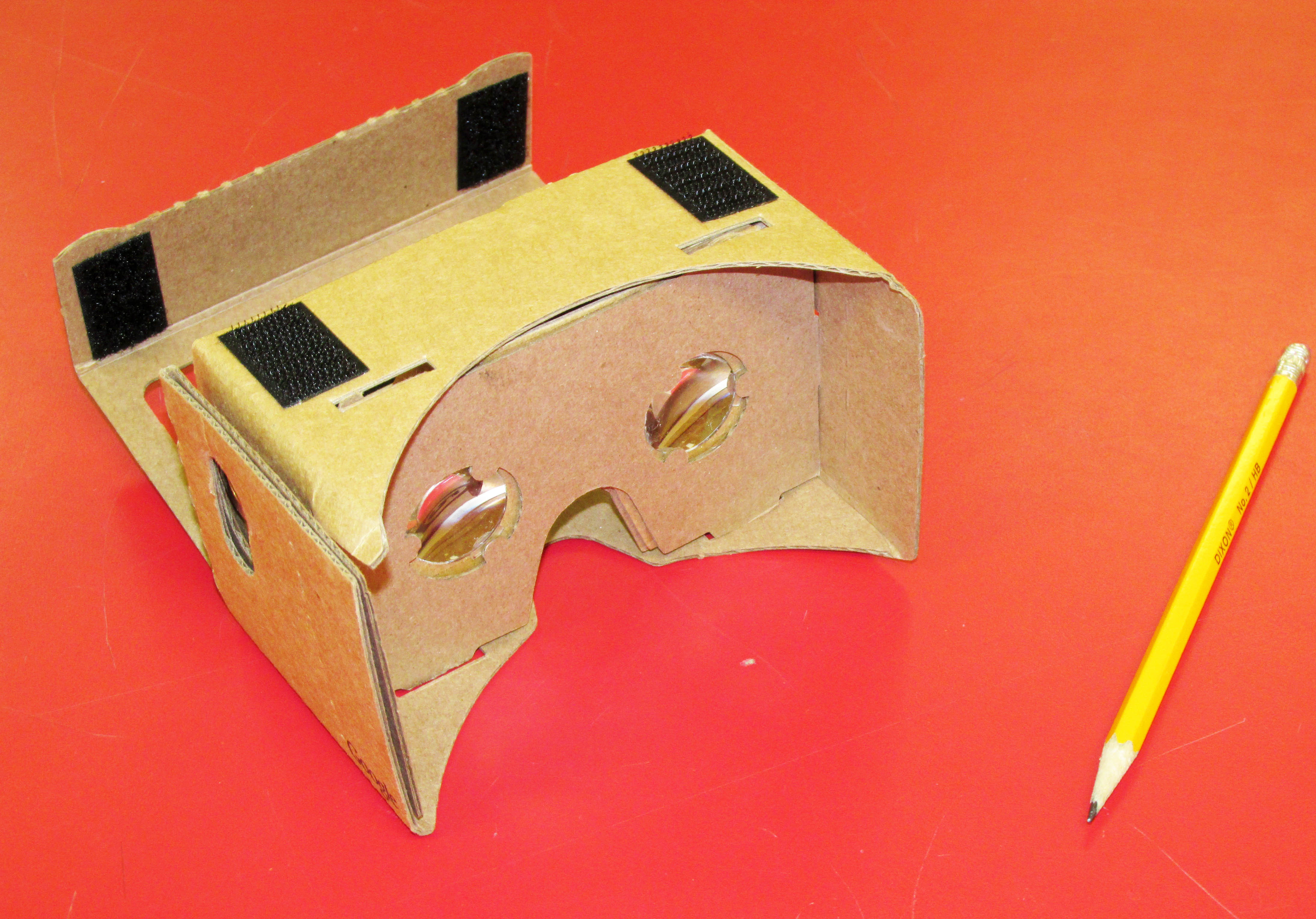
Cardboard 2

Future Ready Classroom – Google Cardboard & Augmented Reality

DSC01419

Future Ready Classroom – Teaching Robotics

Ruben Gameros, ASU, teaches class on robotics – Via Skype

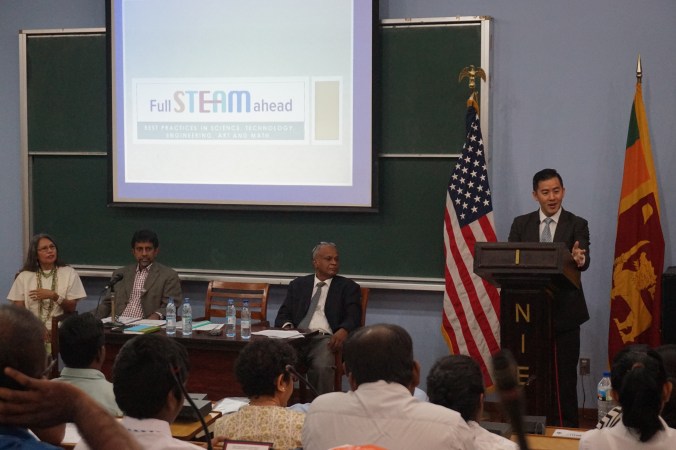
Joshua Shen - STEAM Workshop Introduction

Joshua Shen  Delivers Opening Address

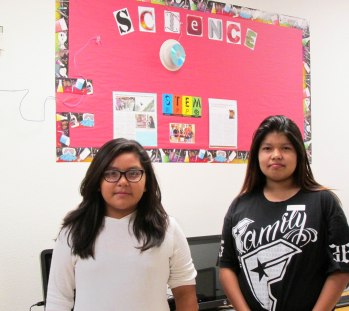
STEM Student Ambassdors to visit Sri Lanka

STEM Ambassadors - Salt River Elementary 2Two students from my school district have been invited to visit Sri Lanka as ‘STEAM Ambassadors‘ in December.

They will represent the Salt River Pima-Maricopa Indian Community at two workshops for teachers on Science, Technology, Engineering, Art and Math. The workshops will be held in Colombo and Kandy.

The students are:

  • Dominique Grey, a sixth-grade student at Salt River Elementary.
  • Haley Smith, a seventh-grade student at Salt River High School.
  • Maria Chavez, the school’s Parent/Community Involvement Specialist, will accompany them, as well as one parent of each of the students.

Listen to the story here, on KJZZ.

Too Much Information? Try Pottery!

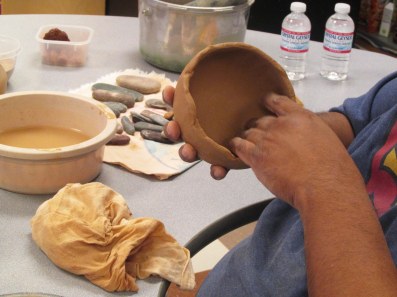
I was listening to a teacher, Ron Carlos, demonstrating pottery a few weeks back, and he was telling students on how important it is for them to stay ‘in touch with the earth’ around them. This included being aware of the natural resources they have been blessed with. Creativity, he said, takes patience, and spending time ‘tuning in’ to the material. Sometimes, he said, it’s as if the clay in his hands decides what shape it wants to be.

IMG_0565It reminded me of the craft of writing. Many authors describe how the character they give birth to, often decides where to go and what path to take. Just like wad of clay, I suppose!

How does this apply to many of us? Many of us sleep with a cellphone by our bedside, and a wi-fi-connection within a few feet no matter where we wander. No wonder it is such a challenge to find ‘think time’ and creative time. We are victims of TMI  –which is an old acronym for ‘Too Much Information’, but also an acronym for ‘Too Many Inputs.’ And we can’t honestly blame anyone for it.

In a forthcoming workshop, I am planning on bringing up this topic of how important it is to be connected, but also to often (very often) be off the grid, so to speak.

Thank God, clay does not tweet!

Mars Day taps NASA, StarLab and HI-SEAS Crew Member

StarLab_1It’s fun to have an event such as Mars Day at a time when there’s so much more being discovered about the Red Planet. Like the excitement about flowing water, a few weeks ago.

For this year’s Mars Day at Salt River Elementary, we feature three interesting facets of Space exploration and discovery.

StarLabThis is an inflatable planetarium that will give younger grades an interstellar experience. It comes to us through ASU’s School of Earth and Space Exploration. Just the idea of having a planetarium come to the school turns science into something more experiential. Added to that we have a great outreach team that gives students a ‘tour’ of the night sky, and a hands-on table-top experience.
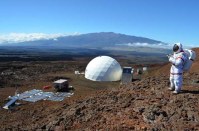
hi_seas_3Zak Wilson is one of the crew on the Mars Habitat experiment last year. He will be here to conduct concurrent sessions, and be our keynote speaker. Zak, who was part of a 6-member crew lived in a Martian habitat (seen on right) for eight months! It was situated on a volcanic terrain that resembled Mars. More about this experience here.

ASU/NASA. And last but not least, we have the team from ASU’s Mars Space Flight Facility conducting hands-on sessions with grades 3,, 4, 5, and 6. This is the fourth year of our collaboration with this group.

Mars Day 2012 - Kody EnsleyHere’s how Mars Day has evolved.

In 2012, we had our students talk to Kody Ensley, a
Native American who interned at NASA, and worked on Robonaut,

In 2013, we featured Commander John Herrington, former Space Shuttle commander,and the first Native American in Space.

In 2014, we had the Hi-SEAS Mission team, and Dr. Jack Farmer from ASU.


Derrick Mains on Augmented Reality

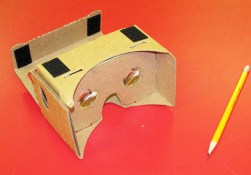
Could a pair of cardboard goggles become a critical student engagement tool?

Derrick_1I invited Derrick Mains to my computer lab yesterday to explain Augmented Reality, and what doors it might open for us educators, and of course students. I think I am sold!

Many students have heard of AR and VR, and you would be surprised how curious they are about this. Just as they are more interested in photography today because of disruptive devices such as the GoPro, they are more interested in Apps like these because of what it could do “seeing things differently.”

Cardboard_tnAs Derrick explained, this is another way to use Apps in education. Not just to stare at a screen but to ignore the screen (which disappears, the moment you put these goggles on) and engage and explore new worlds. We are not talking about fictitious virtual worlds, but uncharted territories whether it is at the bottom of the Grand Canyon, or to observe an eco-system in a rain forest.
Some of you might remember Derrick Mains from his work in social media. He was one of my co-presenters in a workshop on Digital Citizenship. The reason he’s on camera again, is because he will be in one of the several videos I am producing with my Salt River Pima-Maricopa TV team for another upcoming workshop.

Sri Lankan teaches GoPro to my class (Never mind the time the difference)

Nazly_profileThanks Nazly Ahmed, for taking the time to teach a 35 minute class to my 4th graders this morning. It was 8:45 am Arizona time, and 9:15 Pm in Colombo, Sri Lanka. But what’s a few time zones when it comes to learning from experts?
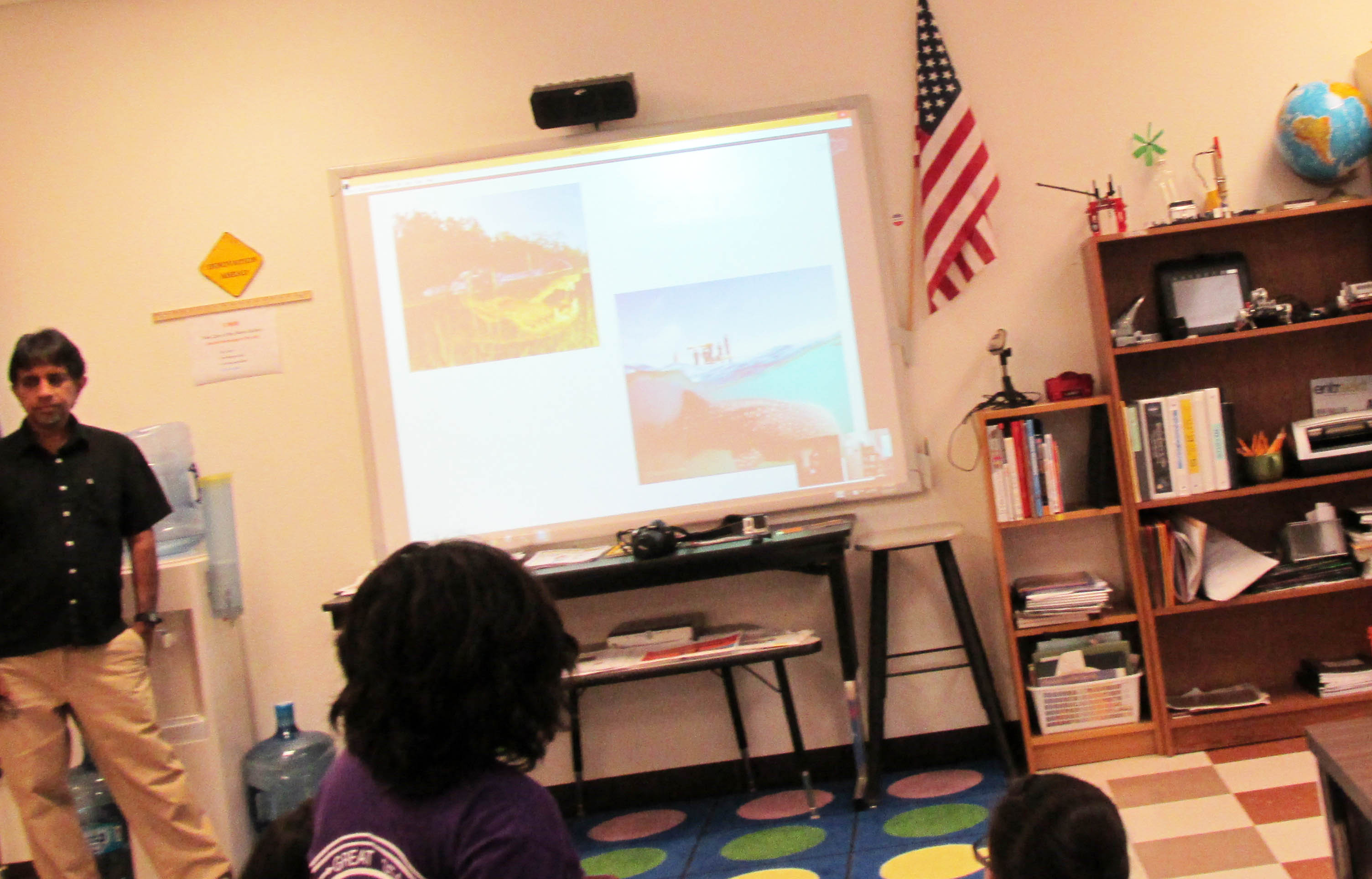
This technology class was a bit of a ‘planned surprise’ for them. Some have even seen a GoPro in action. I happen to have one in class, so before I introduce the hardware, I wanted to bring in a user to talk about it. There were three cameras in class – not counting the one on the PC for our Skype call. Nazly used screen-share from his end, to explain different camera perspectives. Forget drones with cameras. We watched the flight if an eagle mounted with a GoPro!

And students wanted to engage, so the class was (nicely) interrupted by many questions. One student volunteered to document the session on a regular camera. Everyone said they wanted to work with the GoPro, which will be in a forthcoming class.

Now if I could only find an eagle that’s willing to participate in an Ed-tech experiment 🙂 

GoPro class


So many (scientific) ways to use a GoPro!

If you saw The Martian, you couldn’t miss the GoPro cameras strategically placed where Mark Watney (Matt Damon) hast to talk to other humans who were mostly absent.

It’s not exactly a webcam, but a powerful tool to ‘journal’ an activity a whether it is extreme sport, or something technical. I’ve started off using a GoPro in robotics, and it was quite revealing how the camera sees a manoeuvre.  I am now considering a class about the camera itself.
For this there will be two three cameras at work, in fact. The first, will be a webcam because of the expert I am going to bring in, via Skype. He will demo a GoPro and ‘teach’ us how to turn a GoPro into a scientific inquiry tool.WE will be using one in class as well.

The GoPro on Mars didn’t seem contrived – or a blatant product placement —  since some have actually been used in Space before. In real space, that is, and not on a movie set. And it has also gone to on some breathtaking missions — in a balloon, for instance.

Here’s one of my favorites. What a great way to demonstrate the surface tension of water, by making the camera a part of the experiment, while acting as a journaling device!


The GoPro is obviously switched on, and what’s really smart is how the editor of this video reverses the perspective. We finally see the scientists (the astronauts) through the scientific object (a submerged camera), and the water bubble acts as another distortion lens!

Learning to avoid cameras – from TV reporters

I love cameras. I hate cameras. Are you like me?

I take a lot of pictures, and often avoid being in them (a photo-catcher’s prerogative!). But sometimes we can’t avoid being in them. (photo-radar, group shots…)

This week, I have to be part of a series of STEM videos that I am putting together. I was looking for ways to not be on camera 90 percent of the time. Ergo, the table-top presentation.

In the TV news business, it’s called Continuity and Cutaways.‘  A well-practiced art we are oblivious to. It works like this:

  1. Anchor introduces story, and station ‘cuts away’ to reporter.
  2. Reporter on camera takes over for a few seconds.
  3. Video cuts away to scene of story – the so-called B-roll footage. The reporters voice (arguably on ‘A-roll’) runs over the video and maintains continuity
  4. Studio cuts back to reporter, who wraps up story in a few seconds.

In total the reporter is on camera for a fraction of the time. Our brains fill in the gaps, and make us believe we were being addressed face-to-face. I hope to really shrink that fraction. Let’s see.

Note: For a good understanding of the cutaway and B-roll, read Steve Johnson’s explanation here.