Robotics
Robotics update: Team Sri Lanka’s progress
Back in March, I wrote a post here about a call to schools in Sri Lanka that might be interested in participating in the first ever Robotics Olympics.

The Team has been busy working on the challenge, which involves designing and programing a robot that could solve a water problem. They comprise: Ali Anver, Akash Gnanam, Amjad Hamz, Vinidu Jayasingh, Ishini Gammanpilla
The event: An international gathering of 160 countries, hosted by FIRST Global
The Goal: To ignite a passion for Science, Technology, Engineering, and Mathematics (STEM) among the more than two billion youths across the world.
Dates: 14 – 18 July, 2017
The Challenge: The teams will work in ‘alliances’ as in the real world, using the robot to solve a global water crisis, specifically called ‘H2O Flow’. Which in and of itself is fascinating because unlike other tournaments, success is not based on individual skills alone. They must work as an international community. This is, after all, the Robotics Olympics!
Team Sri Lanka head to International Robotics event in DC
I like to break to the news about a story that has been in the works since April. Sri Lanka was invited to participate in the first ever International Robotics event, billed as the Olympics of Robotics. It is organized by First Global, an extension of FIRST Robotics, by Dean Kamen, a serial entrepreneur The event will be from July 16 to July 18th.

The team (4 students) received the robot kit from FIRST Global in April. Given the short time frame, they have been moving mountains to build, program and test the robot. I have been in touch with the coach and the school while they have been prepping for this. More details will follow.
Meanwhile, here’s a look at the team testing some of the working parts of the robot.
Nano bots – clever or creepy?
It’s not difficult to envision robots that might be among us. After all, some already do: drones and autonomous cars.
 But take this to a nano scale, and it begins to sound creepy. For instance nano-bots have been envisioned to seek and destroy cancer cells in our bodies. (A nano meter is one billionths of a meter.)
On a slightly larger scale are robots that could look like insects or other critters, and work together as a swarm –a project that a friend at Arizona State University is currently working on. These bio-inspired robots could have many applications.
So the smaller they get, and the smarter they build them, we could expect to see them be among us. What this means for students is that there will be a huge demand for those who understand, investigate and have a mindset ready to work on these curious ‘machines.’
Science and STEM teachers often bring up robotics as a way to open up this topic to young students. Most of us use bots with wheels, arms and sensors. It’s time to think small!
If you like to read more on this, there’s a wonderful blog post on Invisible Machines here at Blog Science-Teaching.
Robotics challenge 2017 to focus on water
 I’m really looking forward to the next robotics season in Fall, given the theme – H20!
For our students, Hydro Dynamics is something they’ve been passionate about this whole year, especially the Dakota Access Pipeline issue they took up, supporting the Standing Rock Sioux tribe, and their water conservation efforts. They have made presentations to the community, and had many brainstorming sessions on water challenges. The theme, also harks back to an earlier environmental challenge in 2015, Trash Trek.
So when they come back in Fall, many of them who rejoin robotics will be primed to think like engineers, designers, and scientists, and problem-solve a water issue facing a community.
Here’s more about Hydro Dynamics in the 2017 season. And the teaser video.
Spinners – Stress reduction fad or potential STEM tool?
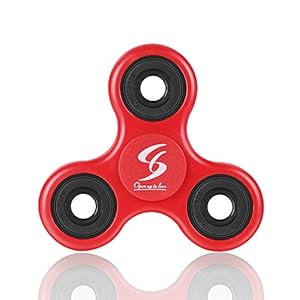 Gadgets fascinate me, especially those that have levers, sensors or even gyros. So the Spinner, a ‘momentum toy’ also known as a ‘fidget toy‘ looks promising.
If not for the fad factor.
Every kid finds it irresistible, no different from how yoyos, or Rubik’s cubes were hard to put away. But the Spinner is also seriously hyped, being claimed to solve many problems. Stress, ADD, and whatever seems to fit. But we better make a distinction between a sensory aid and a gadget that could be used just to show off. Not to mention it becoming a distraction device, rather than solving an ‘attention’ problem.
Having said that, I could envisage how with a few add-ons and variations of the Spinner design, it might be used in a STEM lesson. I’ve seen at least one teacher use the rotations and spin time as variables for math challenges. My colleague and I just discussed how this could become part of a robotics-related lesson, being a mechanical device, after all. No apps required, please!
The field is wide open. Let’s hope we don’t get steamrolled by the fad, and it doesn’t evaporate like…. last Summer’s Pokemon Go.
Surprising things happen when Digital Natives get their hands on old-school cameras
Here’s a batch of pictures taken by my students yesterday. Cameras may seem ‘old school’ but there’s always an interest in the basics of aperture, lighting, and perspective. In my Ed-Tech class, 5th and 6th graders can’t seem to have enough of this, as the results show.

An accidental homage to Silicon Valley?
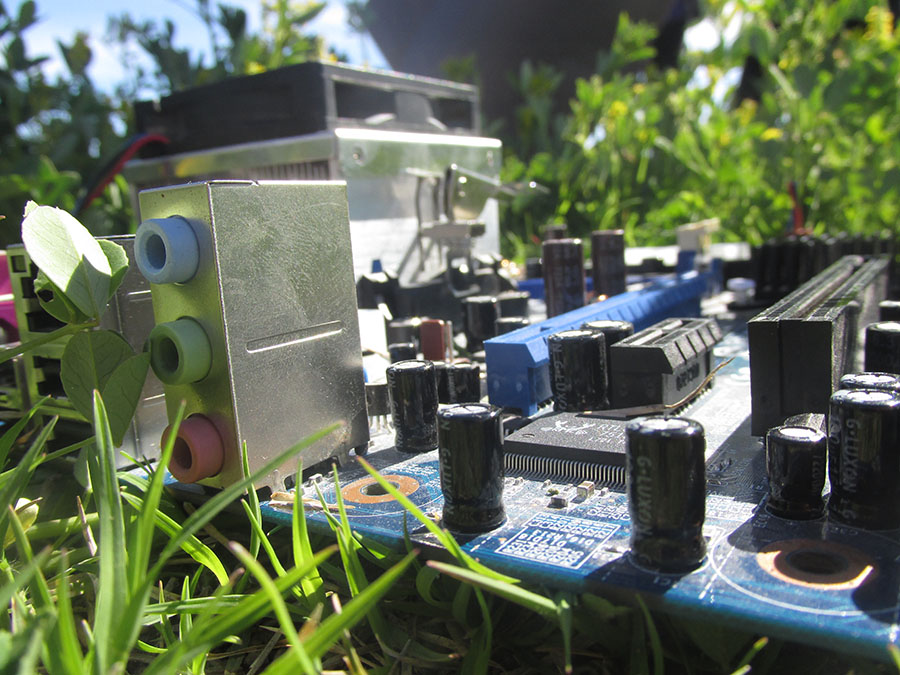
Digital City?

Two very different perspectives of a robotic arm
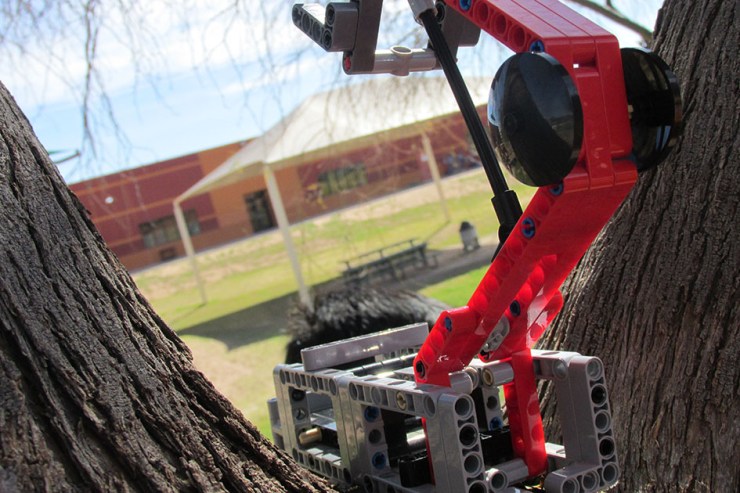

There are much more! Who knows what ideas they will come back with after Spring Break?
Robotics team researches Dakota Access Pipeline for FLL project
When our robotics team picked the controversial Dakota Access Pipeline (‘DAPL’) for their research this year, they never imagined a solution to the standoff would come days before they presented it.
It did.
Yet the insight they bring is even more powerful. But how does an oil pipeline relate to this year’s theme, Animal Allies?

Click to Enlarge
A quick thumbnail: The controversy began over a 1,170-mile underground oil pipeline crossing 4 states (N. Dakota, S. Dakota, Iowa and Illinois). It had been approved by the U.S. Army Corps of Engineers, but as Native American opposition gathered momentum (with activists from several tribes, including a group from the Salt River Pima-Maricopa Indian Reservation) president Obama stepped in, and the pipeline was stopped.
As for the robotics project: It is on the impact of the ‘dirty pipeline’ on animal life. They will present a case for how water and the land are sacred to the Native American people. And how it could adversely impact animal life.
The ‘problem’ may have a political solution. But their project board looks at deeper issues than that, as you could see in their brainstorming session earlier in October.

Pictures from Space Day – Rockets, Satellites, Stars and Bots
This event couldn’t have been better timed. Unbeknownst to me, October 19th was a day that space pioneer, Robert Goddard had called his “Anniversary Day” — the day he thought that it just might be possible to humans to break free of gravity and travel to other planets.
Oct 19th, last Wed, turned out to be a day filled with hands-on experiences for our students who got to hear about (and see) rockets, small-space satellites, robots that could some day work in ‘teams’ or swarms on a distant planet, how to design a landing craft and parachute like the Phoenix Mars Lander, and of course sit inside a portable, inflatable planetarium
Here are some of the highlights in pictures.

SpaceTrex Group from ASU launched a rocket and talked about Small-space satellites
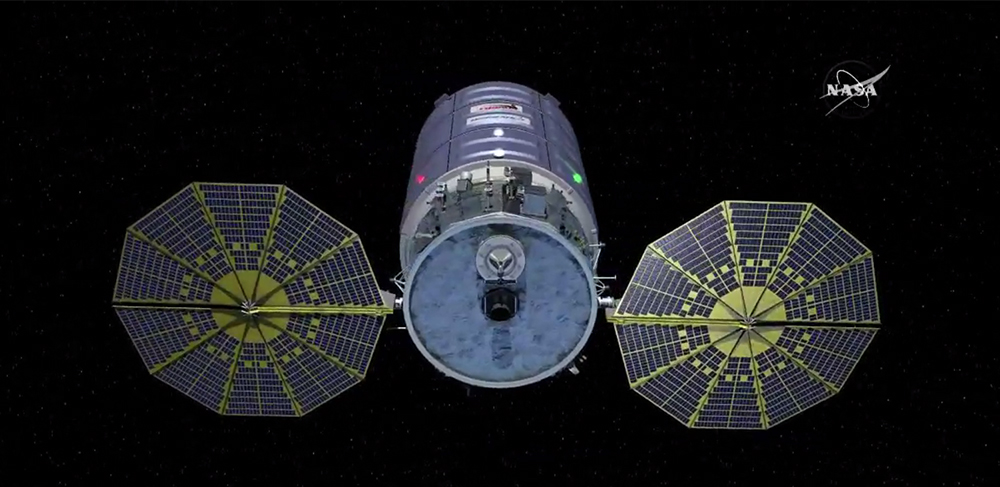
Orbital ATK’s Cygnus spacecraft, which lifted off on an Antares rocket Oct 17th (two days before Space Day) carrying 5,290 pounds of cargo for NASA to the International Space Station.

The little bot that runs on Arduino, could be part of a bot swarm!

Autonomous Collective Systems Lab let students program and run robots in a Rover obstacle avoidance challenge
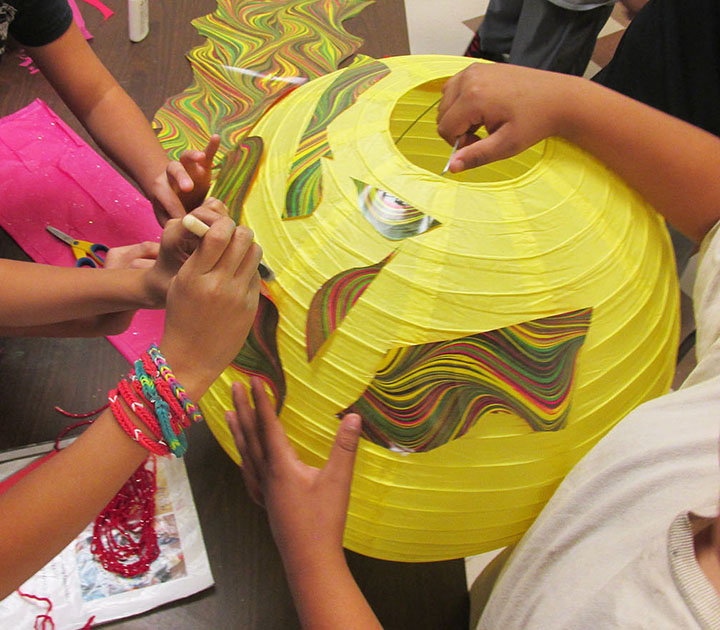
Hands-on session on planets and what ‘designing’ a new planet might involve.

StarLab, the inflatable planetarium was here for Kindergarten, 1st and 2nd grades.
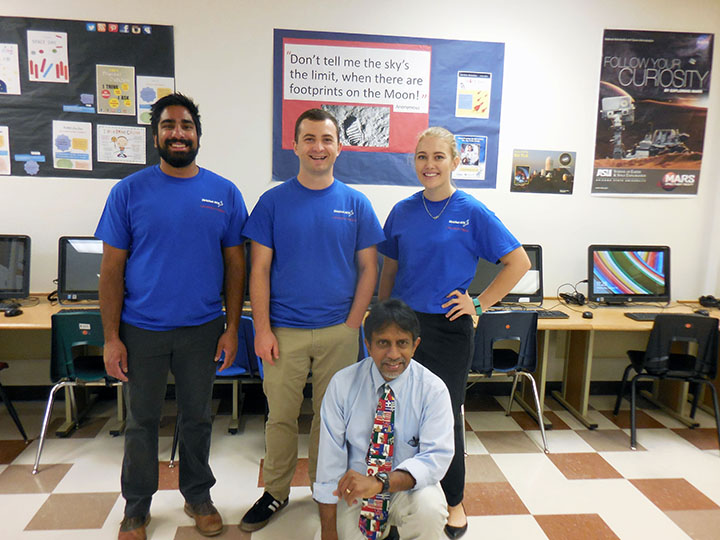
My third year of collaborating with the Orbital ATK team

Arizona State University’s teams

StarLab team from ASU
Invent, create and have fun with BirdBrain robotics
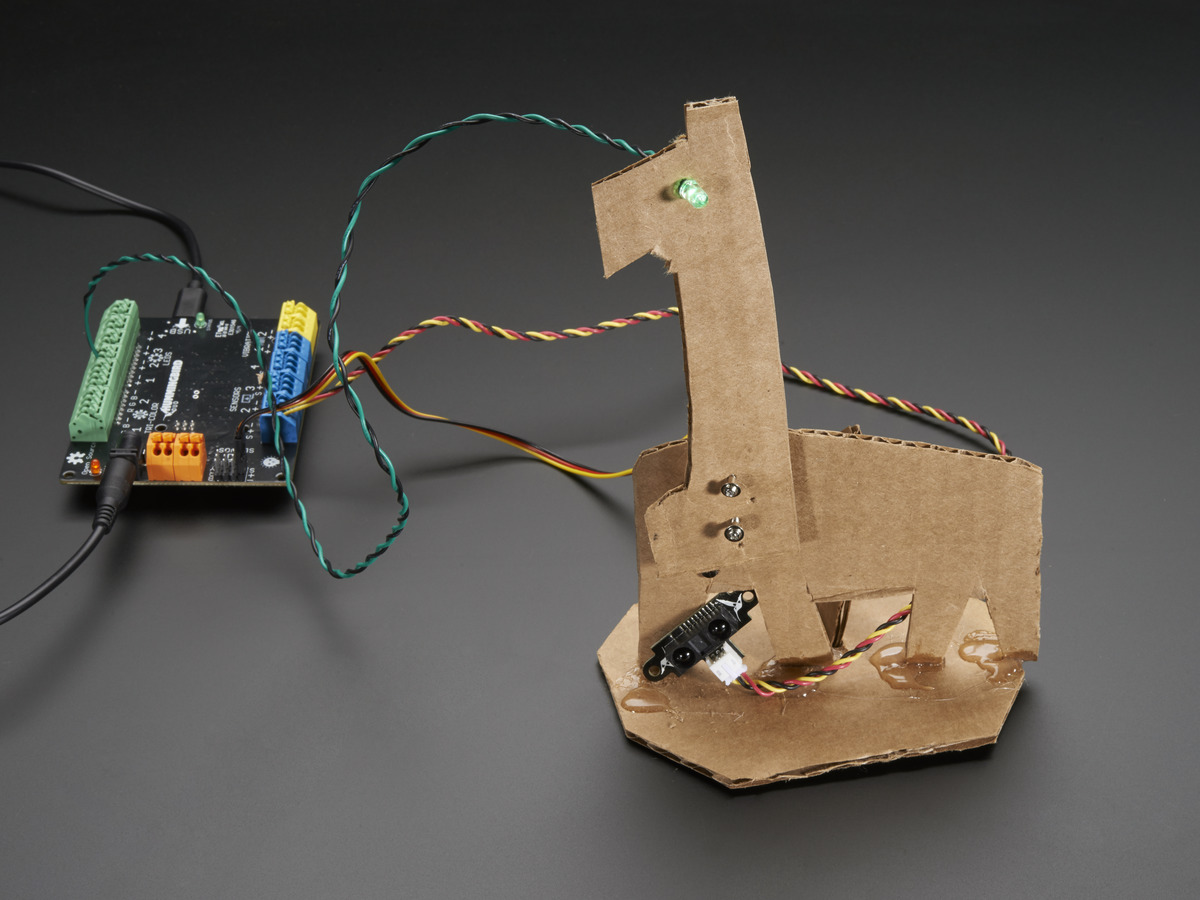
Micro-controllers are at the heart of many of today’s robotics kits.
This one, called the Hummingbird (with a pedigree derived from Carnegie Mellon labs), is designed for engineering and robotics activities for students from ages 13 and up.
I wish I could afford one of these for my computer lab, since it is an on-ramp to teaching students programming languages such as Python and Java. Or as CMU describes it, the micro-controller turns ‘crafts’ into bots.
And what’s a micro-controller for the uninitiated?
 It is the decision-making part of a device, and could control sound, light, movement, and work with Bluetooth and WiFi. Our microwaves and phones have micro-controllers. We had a session on micro-controllers earlier this year.
Teaching young people to understand and tweak these devices could lead them toward higher problem-solving disciplines.
 Hoipolloireport
