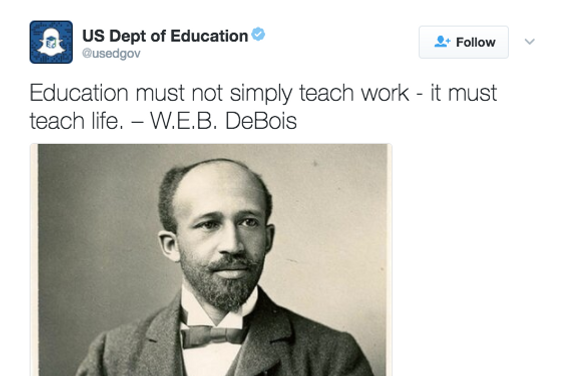
I’ve often said I still read newsletters. From the quirky Trader Joes’ black-and-white ‘Fearless Flyer,‘ to those that come in the mail, often unsolicited. A good friend, a realtor, publishes and mails us an information-filled newsletter that is a delight to read each month. And there are many more – we just don’t give them enough credit in an everything’s-on-Facebook kind of era.
What’s your favorite newsletter? Does it still get printed or has it turned digital? I’m curious.
The case for newsletters has been debated ad nauseam. Most tend to get into the print vs email debate. But I don’t think it’s an either/or. It could be both. Sure, the reading habit is on life-support in some places. But we’re not going to pull the plug.
And so in school, some of us continue this tradition as a way to communicate with parents and the community as to what goes on in our classes in Music, Art, Library and Media Center, PE, and Computers & Tech. Here’s our latest Specials Newsletter – the March 2018 issue.

 The issues we face as parents and teachers is not just screen addiction, but device distraction. Attention spans are in a serious free-fall. I flippantly wrote about this in an article on ‘FOMO’ (for LMD magazine). But it’s a lot more serious than this.

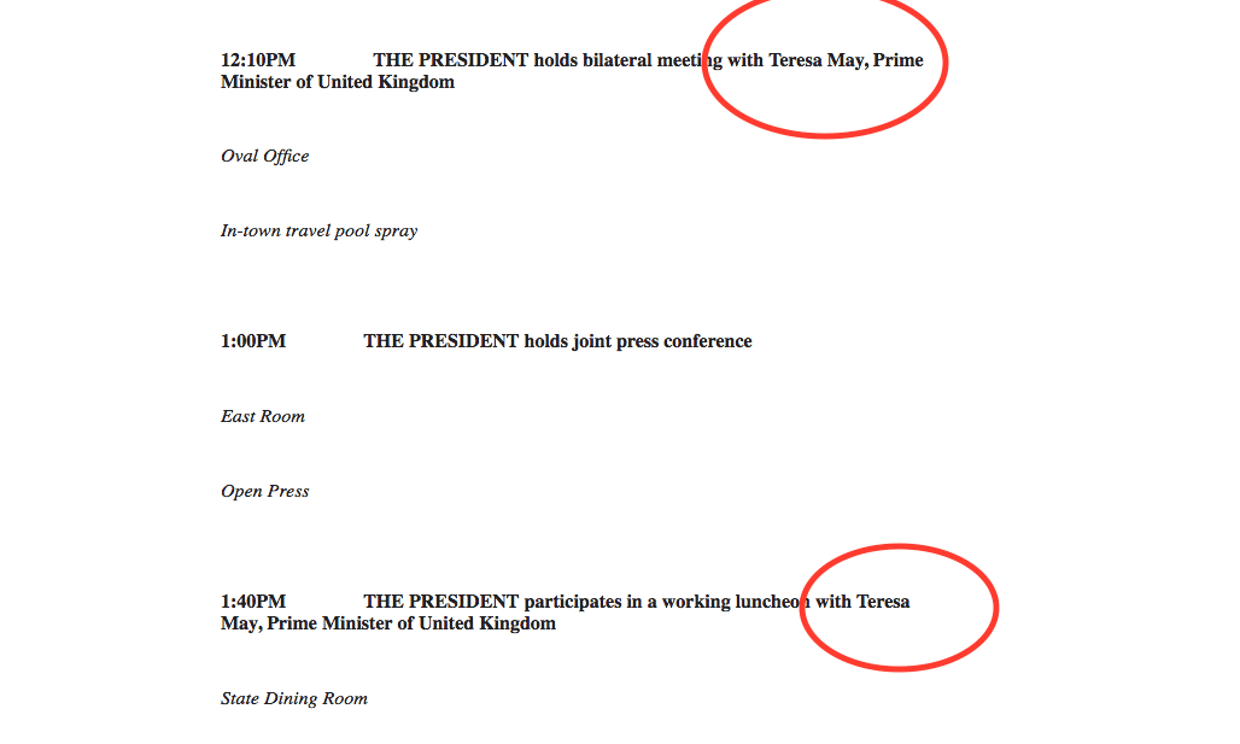
 At a forum on Media and Development in Berlin yesterday, my friend Nalaka Gunewardena (who moderated a discussion) brought on a fresh perspective to the problem. It’s not about the tools per se that we could use to fight Fake News. It’s also about education, alliances and policy reform, .
 COMMON SENSE MEDIA – This is a wonderful,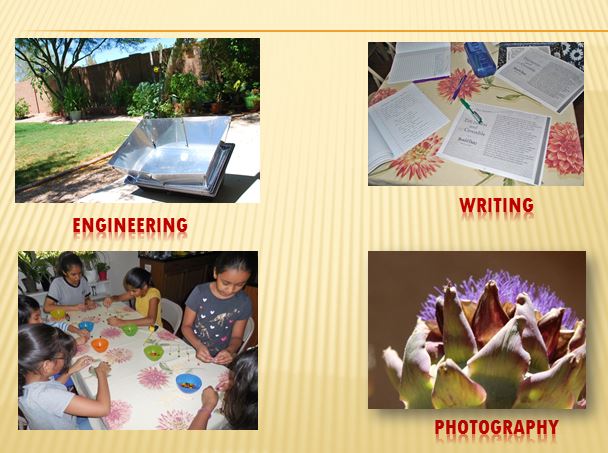


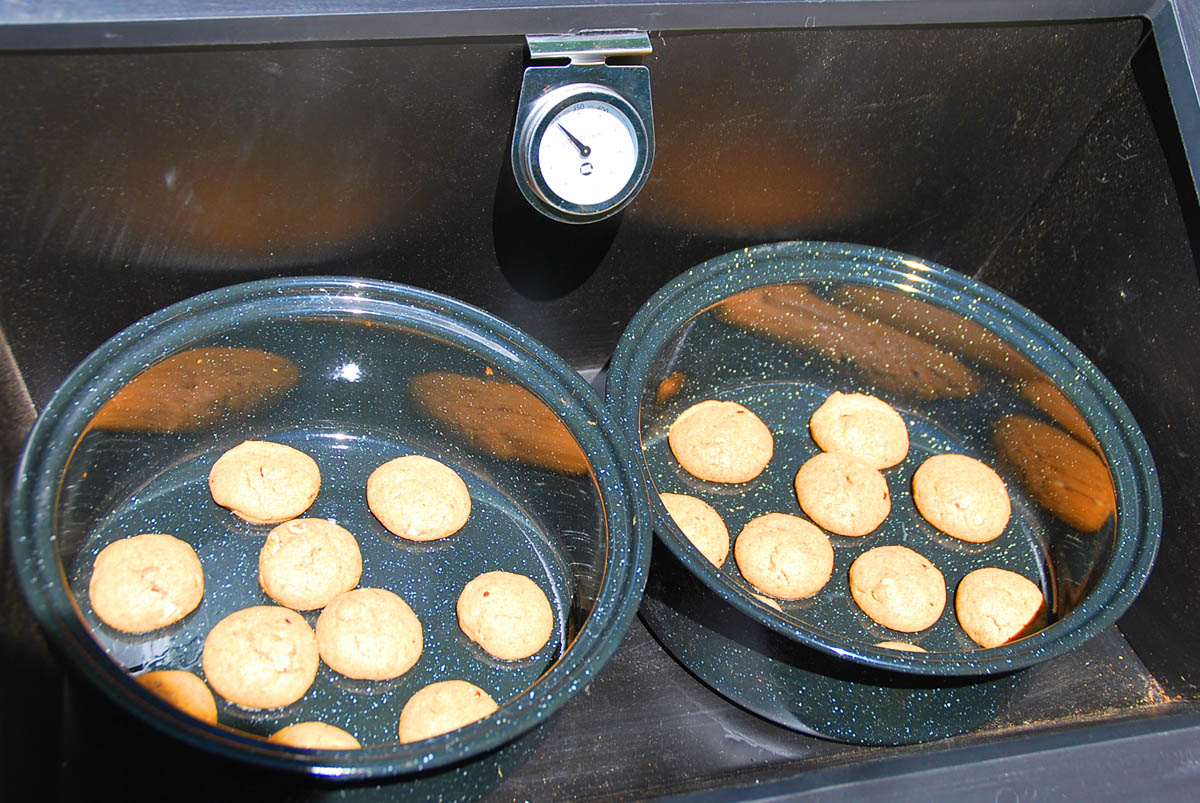
 I’m sure Dan Quayle, the vice president who got famous for (mis)spelling ‘
 Hoipolloireport