‘Kandy Danced,’ The OED and it’s Ceylon connection, and… ‘Radio Silence.’

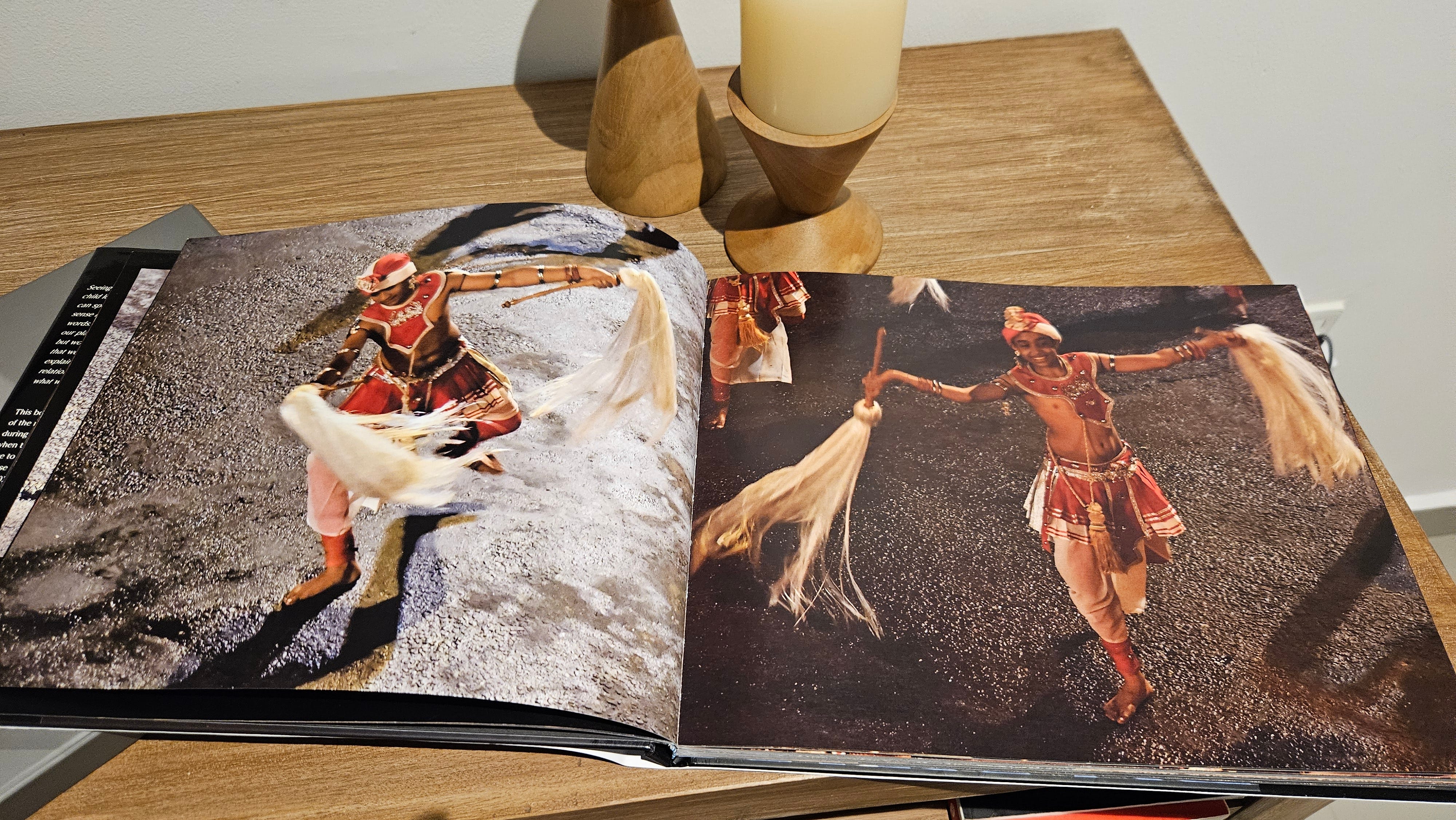
I was in Sri Lanka in June and July, so I stopped by at A. F. Raymond’s to meet an old friend Shannon Raymond. Three books, with a Sri Lankan angle. Shannon recently published a coffee-table book on the Kandy perahera. It’s a visual documentary of dance, hence the title.
“Kandy Danced”

Shannon vehemently claims, “I am not a photographer!” Yet one day in 2020 he borrowed his brother’s Nikon D850 camera and went to watch the Kandy Perahera. Shannon and his bro, Johann are old friends, so I got the rich backstory. In his office at A. F. Raymond’s—just past the caskets one has to navigate sometime—he explained the genesis of this book. You see, Shannon is also a dancer, and a choreographer. He wanted to document the skill and passion of the performers. In 2020, being the Covid year we prefer to forget, he took up a spot on a balcony of Queens Hotel in Kandy, and clicked. And clicked. The irony was that Kandy was literally shut down, so the artists in the Perahera were dancing to no audience. The lighting was simply from the flames of the torch bearers and fire dancers. What he captured, unwittingly—since Shannon claimed to know nothing about ISO settings or F-stops—was a magical study of light and choreography. It’s a large format coffee-table book so the pictures come to life. 
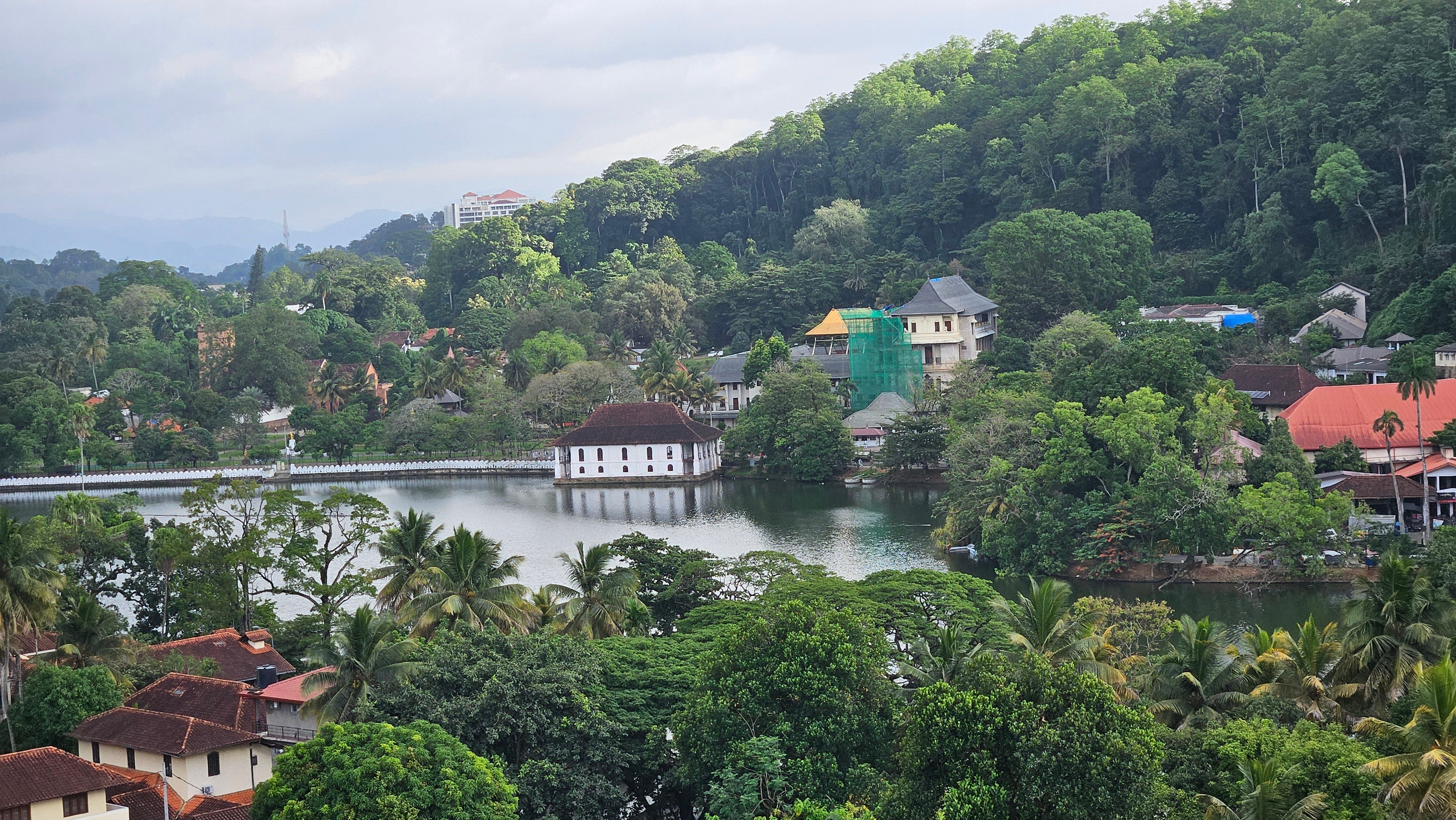
The temple of the tooth in the distance, from across the lake.

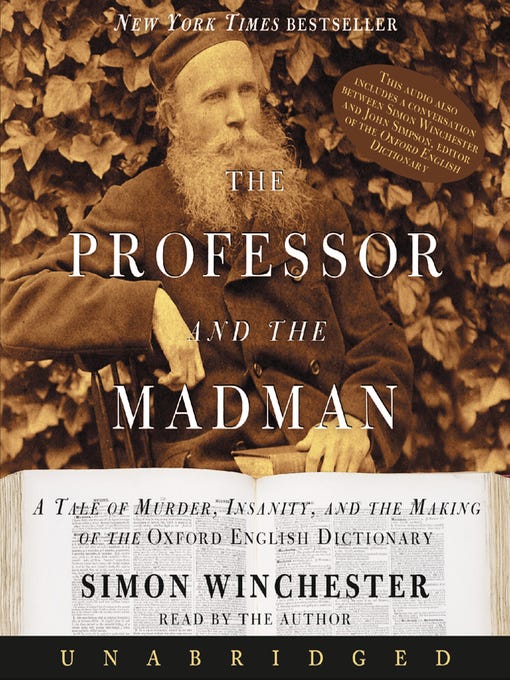
I was reading a biography of the original authors of the Oxford English Dictionary: “The professor and the madman” (now a movie starring Mel Gibson and Sean Penn), and made a startling discovery. A whole chapter on Ceylon. Turns out William Chester Minor, the co-author of the OED was brought to Manipay, in Ceylon by his American missionary parents. It doesn’t go well for him; he ended up in a British asylum, while contributing to the OED. I won’t spoil the story, but suffice to say his madness was based on his early years there.

My memoir
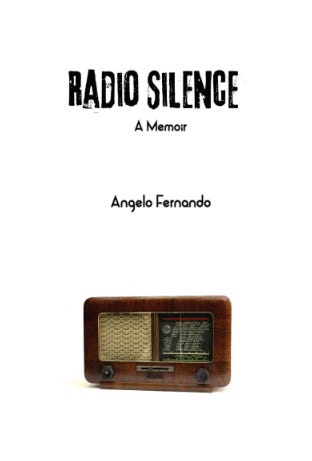
Finally, let me tell you about my latest book. It’s a collection for 26 poems (and an essay) titled “Radio Silence.” Why the title? I happen to be a radio buff, who has gone from producing audio (recorded on spool tapes at the BBC), to podcasting. The central idea—despite the radio vibe— is of the experiences many of us share as immigrants but seldom speak about. I have been writing poetry for awhile. Actually since 1983 and the ethnic riots. I finally decided to put some work together in one place. Yes, it’s personal, and many of the topics and people referred to are known to my circle of friends and family. Hence the memoir.

I will leave it to others to say what it represents. If you like a copy, please let me know. Radio Silence available on Amazon, but I could send you a PDF.
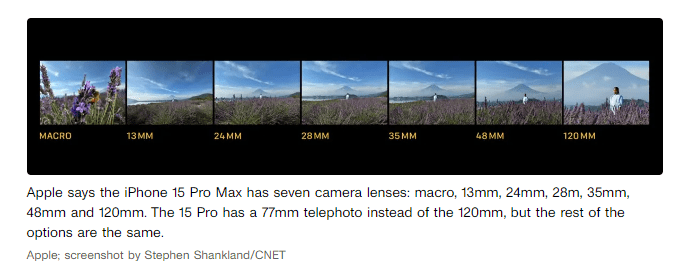
Do cameras still make memories? Have we drunk the Kool-Aid by replacing cameras with phones?

I ask this only because I am a photographer, and I find myself not taking the same kind of pictures I used to. One reason is pretty obvious. I rarely use my Nikon now. I use my phone. I know. I know. I never thought that day would come!

I am on record saying that a smart phone is a very expensive camera that pretends to be a phone. The ratio of phone calls made to pictures taken is probably telling for some of us. But we have been complicit in this, not questioning how phones are marketed. And priced. They always stress the quality of the lens.

I didn’t realize that some phones have seven lenses. Seven!

Last June was the first vacation I took–to Sri Lanka and England–for which I didn’t lug my camera. My excuse: to travel light. I was almost regretting it, but I found that the pictures I took were coming out with better quality than if I used my trusted SLR. Which disappointed the photographer in me, but was ironically satisfying.

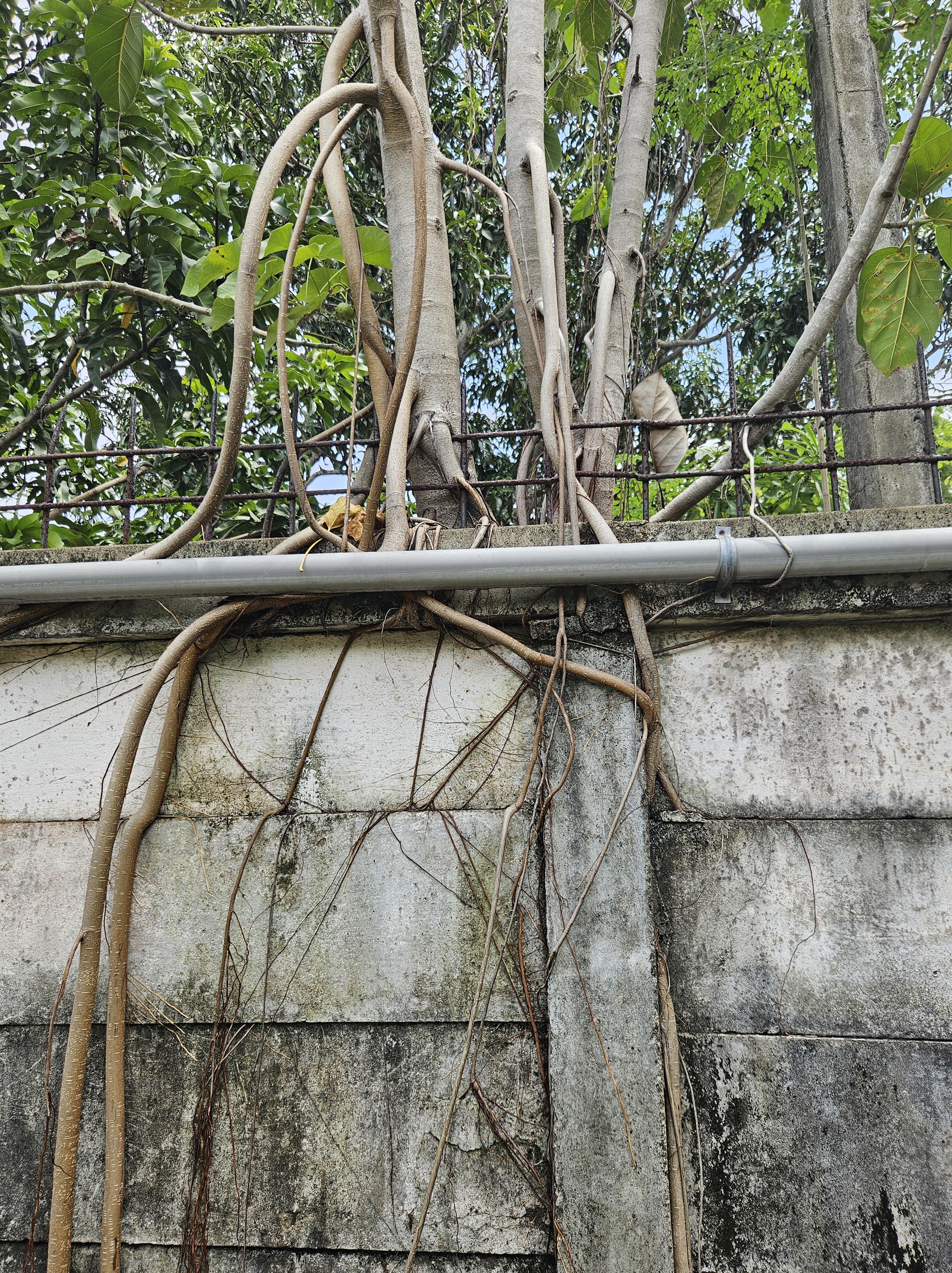
As you can see, the close ups as well as a low-light long shot worked well, with no tweaking of ISO settings or shutter speed on my part.

But having said that, I found myself taking too many pictures of ridiculous things. Like this protest sticker inside the Tube in London – just to show my daughter. And pictures in stores, and of plants. Not for ‘memories’ but because, well, I couldn’t resist. And in case you’re noticing, yes this picture quality is terrible, and it is so poorly framed. After all, I was just clicking, not caring about the photo part in photography.

This year too I did the same thing. No SLR–just the phone. Once again, too many pictures. Which makes me question if the technology has forced us to become documentarians, and takes of pictures’ rather than photographers. I (still) tell my students that photography is the ‘study of light.’ But as one clicks, barely looking at the scene (since there is no viewfinder, anyway), we have forgotten how to frame a shot, balance the subject, look for the best light source etc. Will these skills be lost forever? You tell me!

The other issue of where we store these memories. No longer do we want to print them out and carefully curate them in photo albums, so that we could share them on a later date. Now? We’re always connected, peering at each others’ screens. The small screen has become our album. Why did we take these steps?

You might say ‘convenience.’ I would disagree. I think we were sold on a lie, and we don’t like to address the cognitive dissonance that we are not ‘making memories’ with our fancy-schmancy devices, but overloading our neurons. All this while erasing important memories because we could only have so much space in our ‘hard drives’–meaning our heads.

__________________________________________

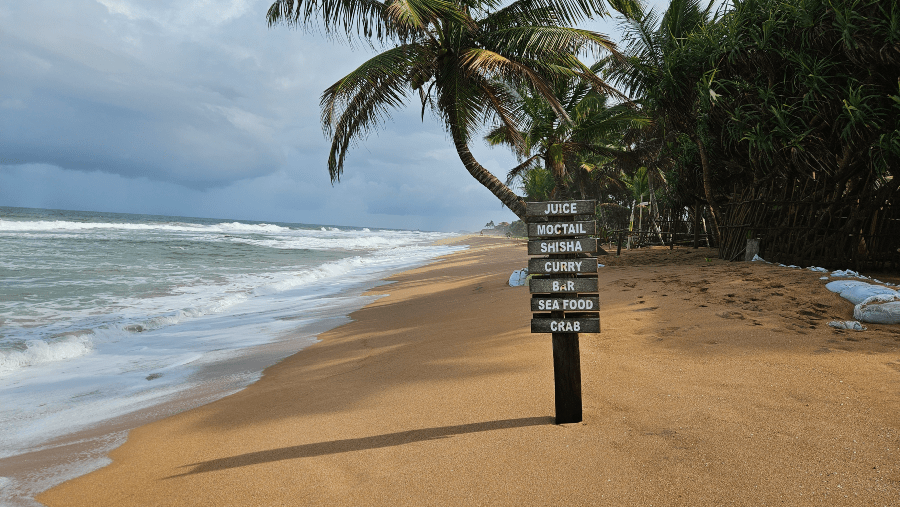
In case you’re wondering, the three images above from Sri Lanka are taken at: The Open University of Sri Lanka in Nawala (roots); St. Peter’s College Clubhouse, Colombo 4, taken from across the canal; Bentota beach at Temple Tree resort.

My latest Podcast, “Wide Angle” features three writers in Sri Lanka.

Spending time in Sri Lanka helped me reconnect with many of my friends in advertising, media and journalism. On this podcast, you will hear about writers I met during a recent visit to Sri Lanka. (Click on the album cover to listen.)

I was fortunate to be able to attend the Gratiaen Awards in June because my friend, Lal Medawattegedara’s book, “When Ghosts Die” was shortlisted for an Award. It was inspiring to see how book publishing and authors have evolved, despite the constant complaints that “nobody reads anymore!”

Hear from these two authors:

  • Tyron Devotta, a former journalist is about to publish a book set during World War 2 in Ceylon. He talks about the role of the writer in a time when the audience’s reding habits are changing.
  • Shannel Pinidiya, still a student, talks about the construction of her complex novel, and how she got into historical fiction writer at an early age.

I also like to promote two organization.

  • First Story, a London based outfit partners with schools to nurture young writers.
  • Write The World, based in the US, is an organization I support. My students to participate in their projects.
  • The Gratiaen Trust organizes workshops for writers and editors, has outreach programs, and holds an annual book awards.

_____________________________________

SHOW NOTES

  1. 1. The Gratiaen Awards, Sri Lanka: ⁠https://www.gratiaen.com⁠
  2. Tyron Devotta – ⁠http://www.media360.lk⁠
  3. Shannel Pinidiya – “Dear Leo” (2024) ⁠Dear Leo – Jam Fruit Tree Publications⁠
  4. Lal Medawattegedara⁠Open University of Sri Lanka.⁠
  1. Radio 201 – Angelo Fernando – ⁠Radio 201 Podcasts⁠
  2. First Story, UK⁠FirstStory.org.UK⁠
  3. Write The World, US⁠WriteTheWorld.Org