As an asteroid and comet watcher, the Rosetta mission designed to swing around and land on a comet ’67P’ fascinated me. I also used in for a class on animation last year, so that 6th graders could learn about the mission while learning to animate the path of Rosetta. The European space agency lost contact with Rosetta at 11:19 a.m. GMT today when the craft’s probe ‘impacted’ the comet, having reached it two years ago, on August 2014.
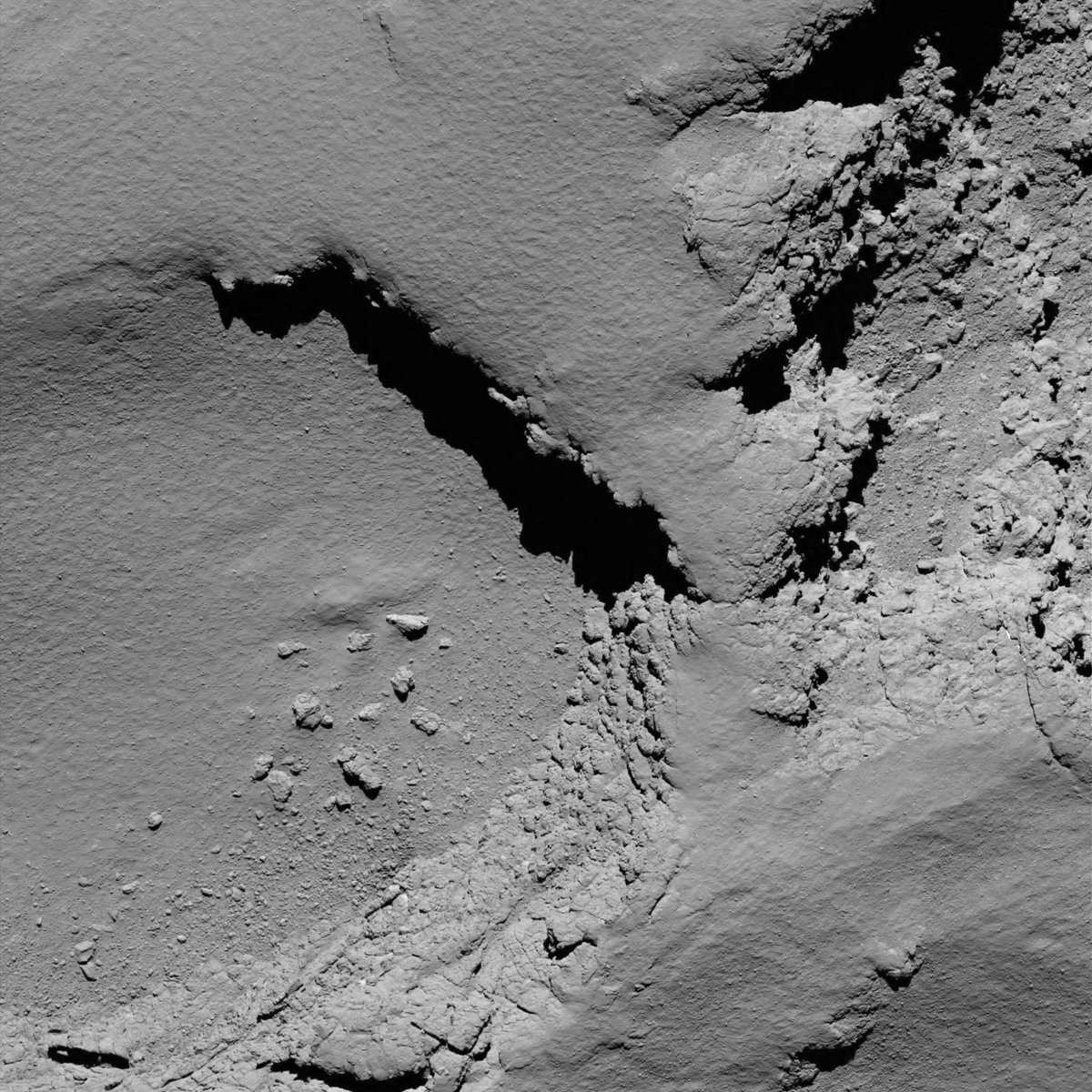
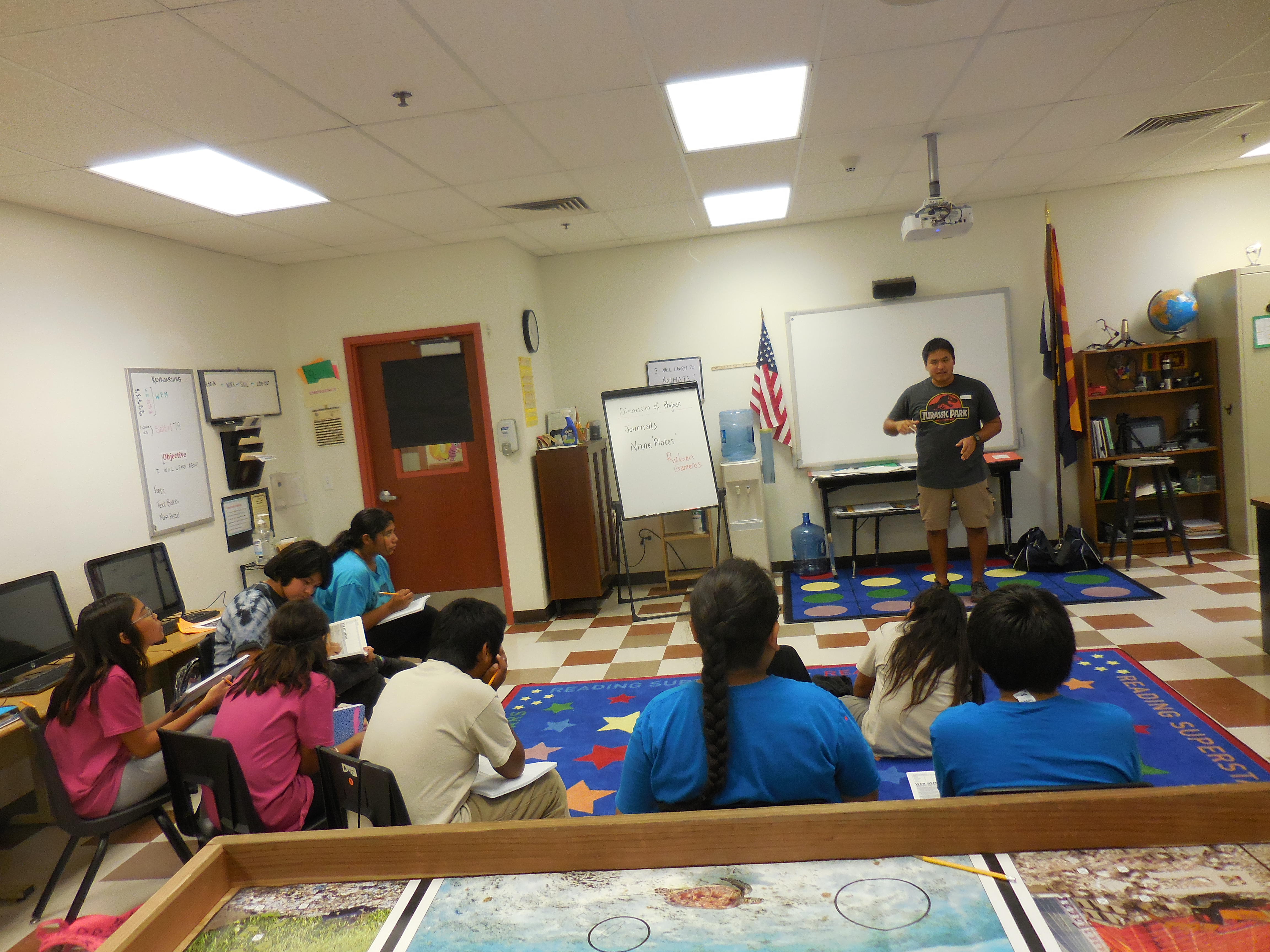
This year, my students focused on Osiris Rex, the NASA mission to study the asteroid Bennu.  By some coincidence, this was one of the big themes of the Mars Education conference I attended at ASU last Saturday.)
Students have looked up facts about the mission and next week will begin animating the path of Osiris Rex.
Osiris Rex will reach Bennu sometime in 2018, and its probe will do something more daring, – use a probe to scoop up a bit of the asteroid’s material, while it is still moving! Fascinating to think of the planning and steps this involves.
 Hoipolloireport