Brand storytelling can be too fixated on featuring celebrities, weaving them in for name recognition, rather than for something they represent.
So why did Pepsi take this latest tack with Kendall Jenner? After all it had decades of insight, having used people from Michael J Fox to Michael Jackson. (Remember this one, in which Michael J Fox braves traffic, and rain?)
Inserting Jenner into a protest movement means nothing to Millenials. Unless Pepsi assumed they would fall for the fake anti-establishment story line. (Throwing in a head scarfed photo-journalist into the mix.) Or they thought most young people would like to see a can of soda solve a street crisis. Maybe they were trying to borrow from the iconic image of that calm activist in Baton Rouge who walked up to armed police.

It reminds me of the cringe-worthy tweet by Kenneth Cole in 2011, trying to hijack the Arab Spring revolution in Egypt with a brand message about its spring collection.
Writer Eric Thomas called out the lame Pepsi ad as “the holy grail of offensive media.” He dissected, frame by frame, what Pepsi got so wrong. He noted that as storytellers, we owe it to ourselves to “fight for more understanding” –and by this he means coming up with course corrections for other storytellers. “Millennials have hyper-advanced B.S. detectors,” warns Thomas.
To me there was positive that emerged out of this brand story. The hoi polloi detected the B.S. and told Pepsi in no uncertain terms.
 Perfectly timed,
  I’m sure Dan Quayle, the vice president who got famous for (mis)spelling ‘
 d to be respected.
 omorrow, our students will learn from designers and programmers what being digital means.
 media, particularly Facebook, Snapchat, Instagram, Wikipedia and YouTube.
 You may have forgotten this. In April 2013, a hacker broke into the Twitter account of the Associated Press and sent out a tweet about “explosions at the White House.”
 Having participated since 2013, the plan is to add more than just lessons and best practices.
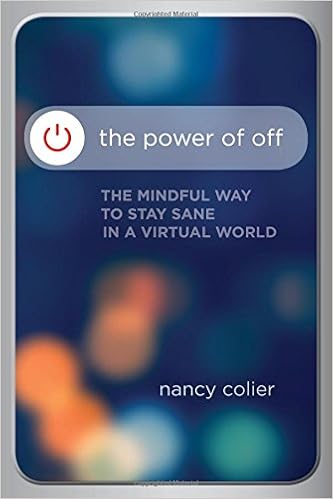 There are new details coming out each month on how over-connectedness, rather than stimulating creativity, is killing it. When anyone asks me what my follow-up to my book about social media,
  Hoipolloireport