Robotics update: Team Sri Lanka’s progress

Back in March, I wrote a post here about a call to schools in Sri Lanka that might be interested in participating in the first ever Robotics Olympics.

The Team has been busy working on the challenge, which involves designing and programing a robot that could solve a water problem. They comprise: Ali Anver, Akash Gnanam, Amjad Hamz, Vinidu Jayasingh, Ishini Gammanpilla

The event: An international gathering of 160 countries, hosted by FIRST Global
The Goal:  To ignite a passion for Science, Technology, Engineering, and Mathematics (STEM) among the more than two billion youths across the world.
Dates: 14 – 18 July, 2017
The Challenge: The teams will work in ‘alliances’ as in the real world, using the robot to solve a global water crisis, specifically called ‘H2O Flow’. Which in and of itself is fascinating because unlike other tournaments, success is not based on individual skills alone. They must work as an international community. This is, after all, the Robotics Olympics!

Team Sri Lanka head to International Robotics event in DC

I like to break to the news about a story that has been in the works since April. Sri Lanka was invited to participate in the first ever International Robotics event, billed as the Olympics of Robotics. It is organized by First Global, an extension of FIRST Robotics, by Dean Kamen, a serial entrepreneur The event will be from July 16 to July 18th.

The team (4 students) received the robot kit from FIRST Global in April. Given the short time frame, they have been moving mountains to build, program and test the robot. I have been in touch with the coach and the school while they have been prepping for this. More details will follow.

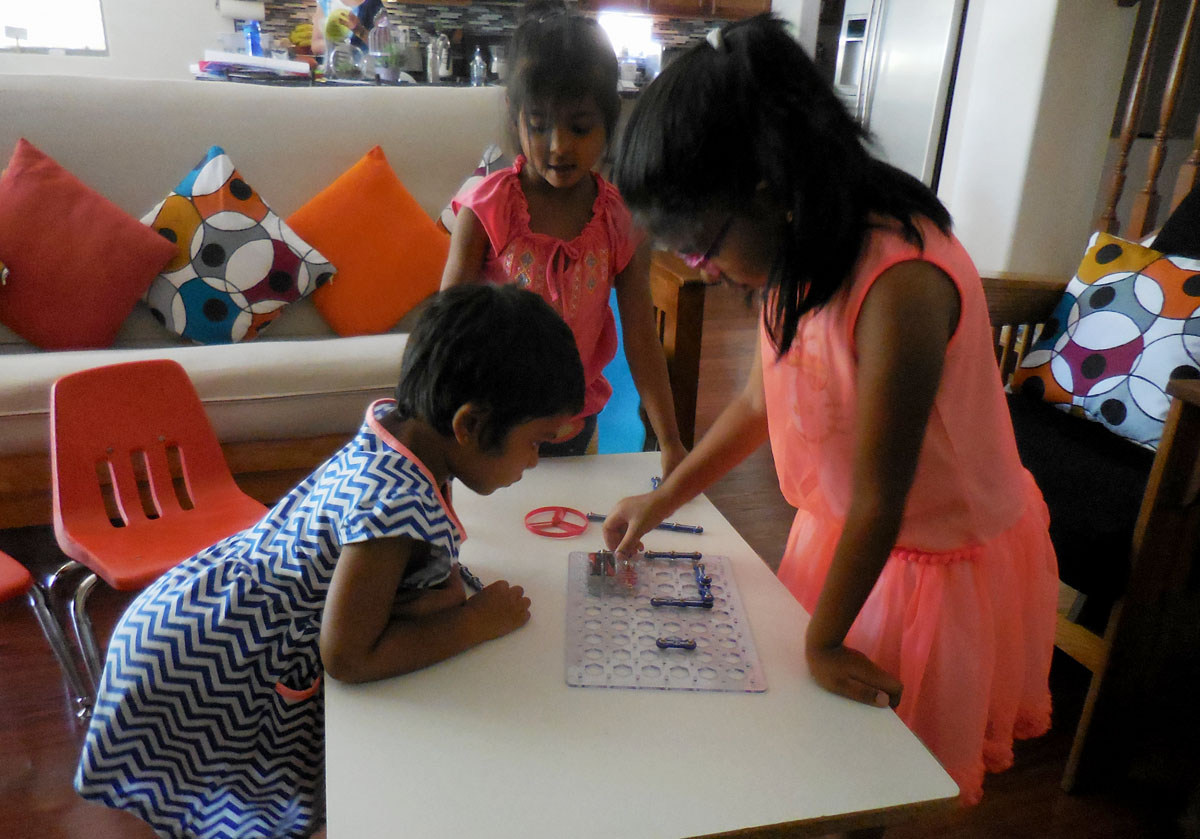
Meanwhile, here’s a look at the team testing some of the working parts of the robot.

Nano bots – clever or creepy?

It’s not difficult to envision robots that might be among us. After all, some already do: drones and autonomous cars.

But take this to a nano scale, and it begins to sound creepy. For instance nano-bots have been envisioned to seek and destroy cancer cells in our bodies. (A nano meter is one billionths of a meter.)
On a slightly larger scale are robots that could look like insects or other critters, and work together as a swarm –a project that a friend at Arizona State University is currently working on. These bio-inspired robots could have many applications.

So the smaller they get, and the smarter they build them, we could expect to see them be among us. What this means for students is that there will be a huge demand for those who understand, investigate and have a mindset ready to work on these curious ‘machines.’

Science and STEM teachers often bring up robotics as a way to open up this topic to young students. Most of us use bots with wheels, arms and sensors. It’s time to think small!

If you like to read more on this, there’s a wonderful blog post on Invisible Machines here at Blog Science-Teaching.

Summer boot camp: SLRs, Robots, and a Solar Oven

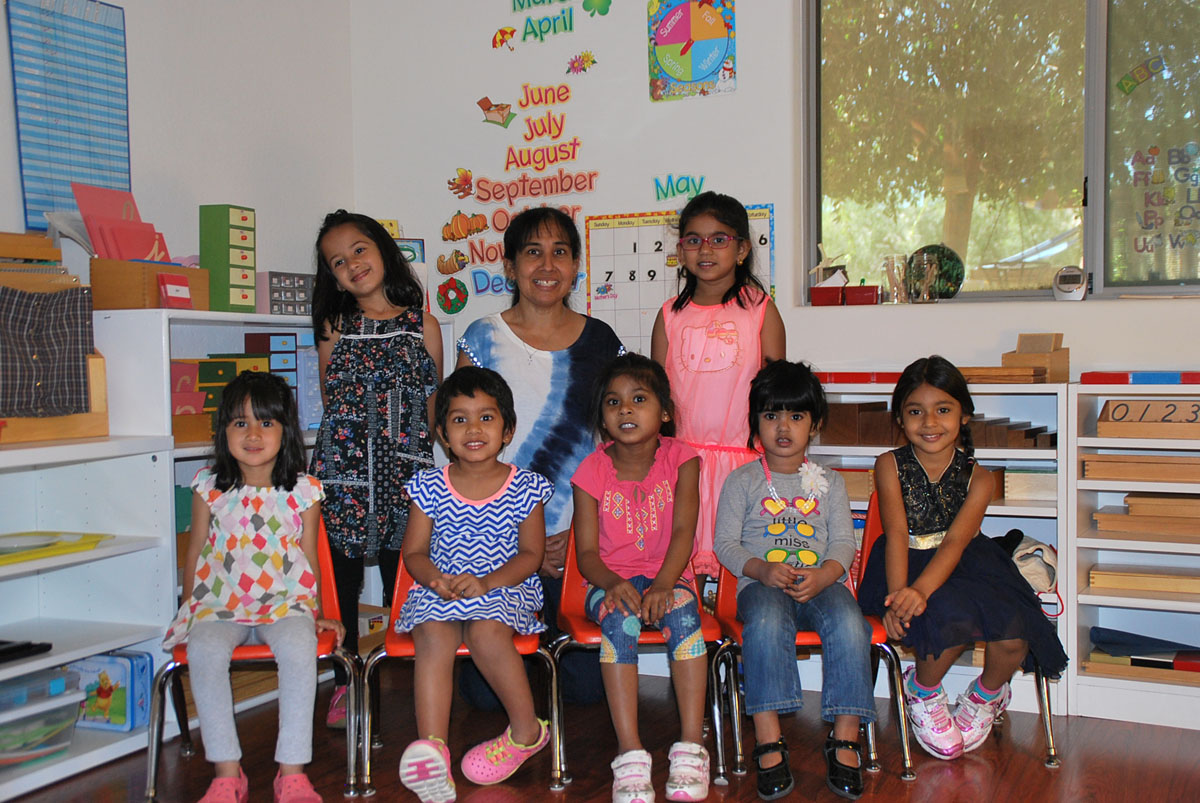
Last week, students at the summer boot camp I conducted here at Li’l Sprouts Montessori got to work with different technologies. From building robots and circuits, to using cameras and a solar oven. They also used one of the oldest ‘technologies’ that tend to be overlooked – pencil and paper.

But besides motors, and learning the software (to program the robot below) students also learned about engineering design, using toothpicks to build a bridge and a tower.

They did a fair amount of writing, maintaining their journals each day. They worked on essay writing, a news story, and poetry.

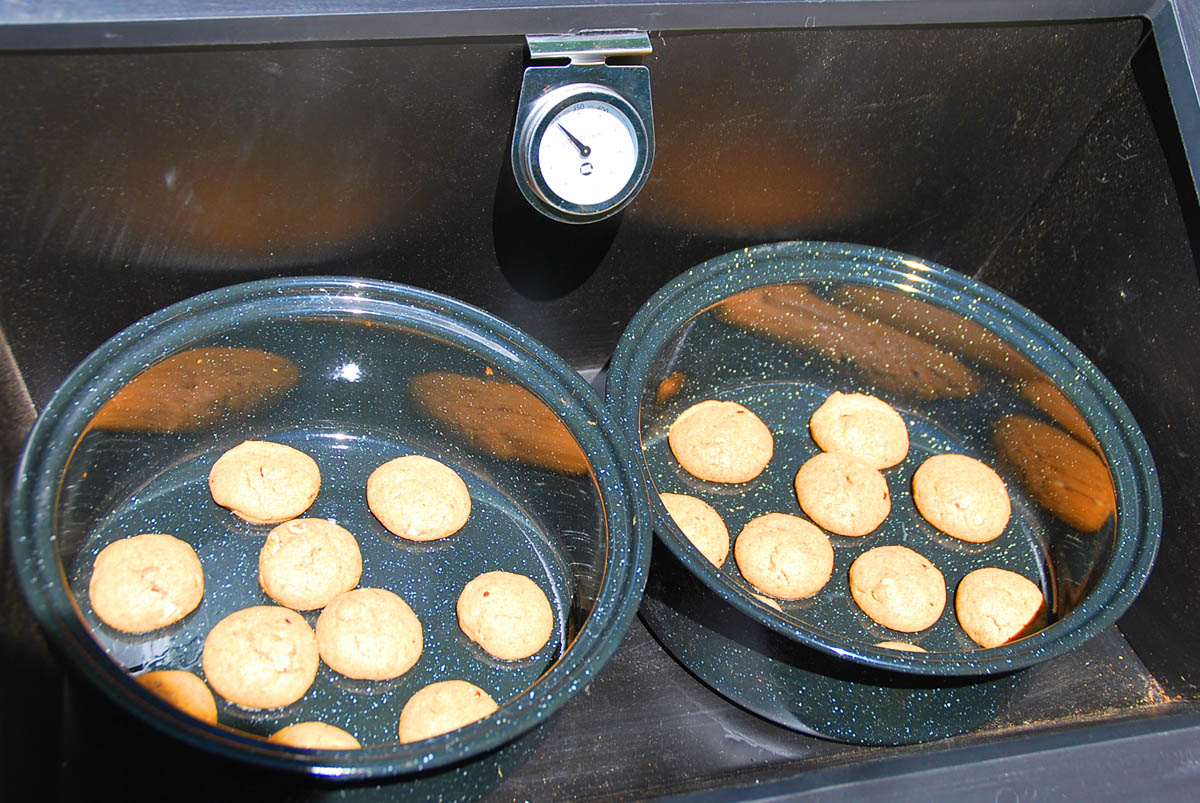
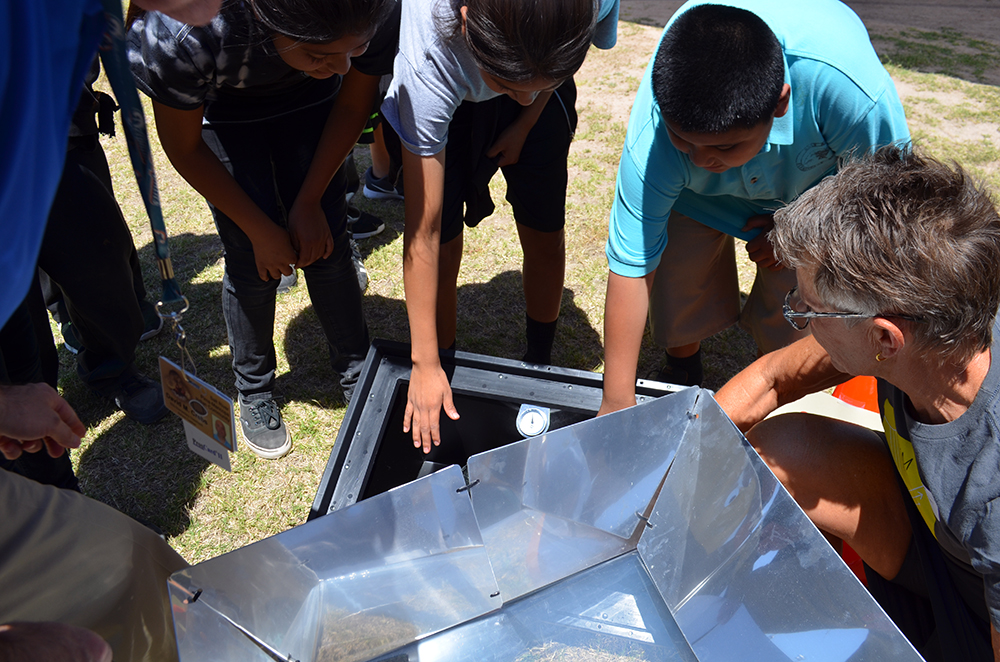
On the final day I introduced them to the solar oven, and Tanu helped them bake cookies. One batch got done in just over 30 minutes!

Book promoting ‘STEAM’ careers for girls

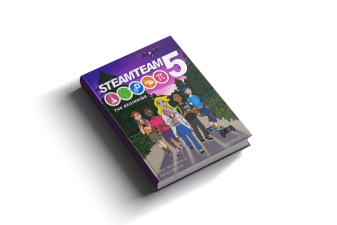
I was so glad to hear of this book, written to empower young girls to consider science and tech. It will be launched with a Kickstarter program on June 21st. It’s called STEAMTEAM5More details here.

What’s more, the authors, are Arizona based!  If you support science, tech, engineering, art, and math careers, please click on the ‘Thunderclap’ button.

https://www.thunderclap.it/projects/57104-steamteam-5-book-launch/embed

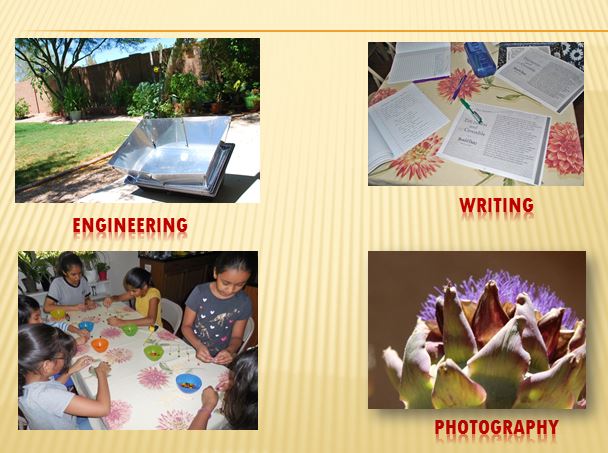
Summer camp with Photography, Writing and Robotics

So next week I teach a summer camp for students involving three ‘ingredients’ – photography, creative writing and robotics.

The goal is to get students to connect visual and language arts, with technology. They will also tinker with robots, and understand how to design and program them.

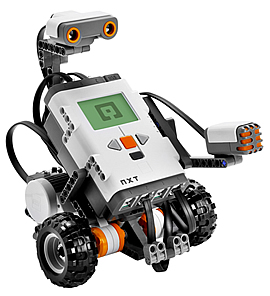
This is one of the simplest bots (the NXT model) we use for the FIRST Lego League competitions. It has four different sensors, and can be modified with several wheel sizes. Students will learn to program them using Mindstorms software.

Robots don’t always have to look like this, They could be made from everyday objects found around the house. For instance, students will also experiment with ‘brush bots’ – tiny devices made from the heads of toothbrushes, of all things!


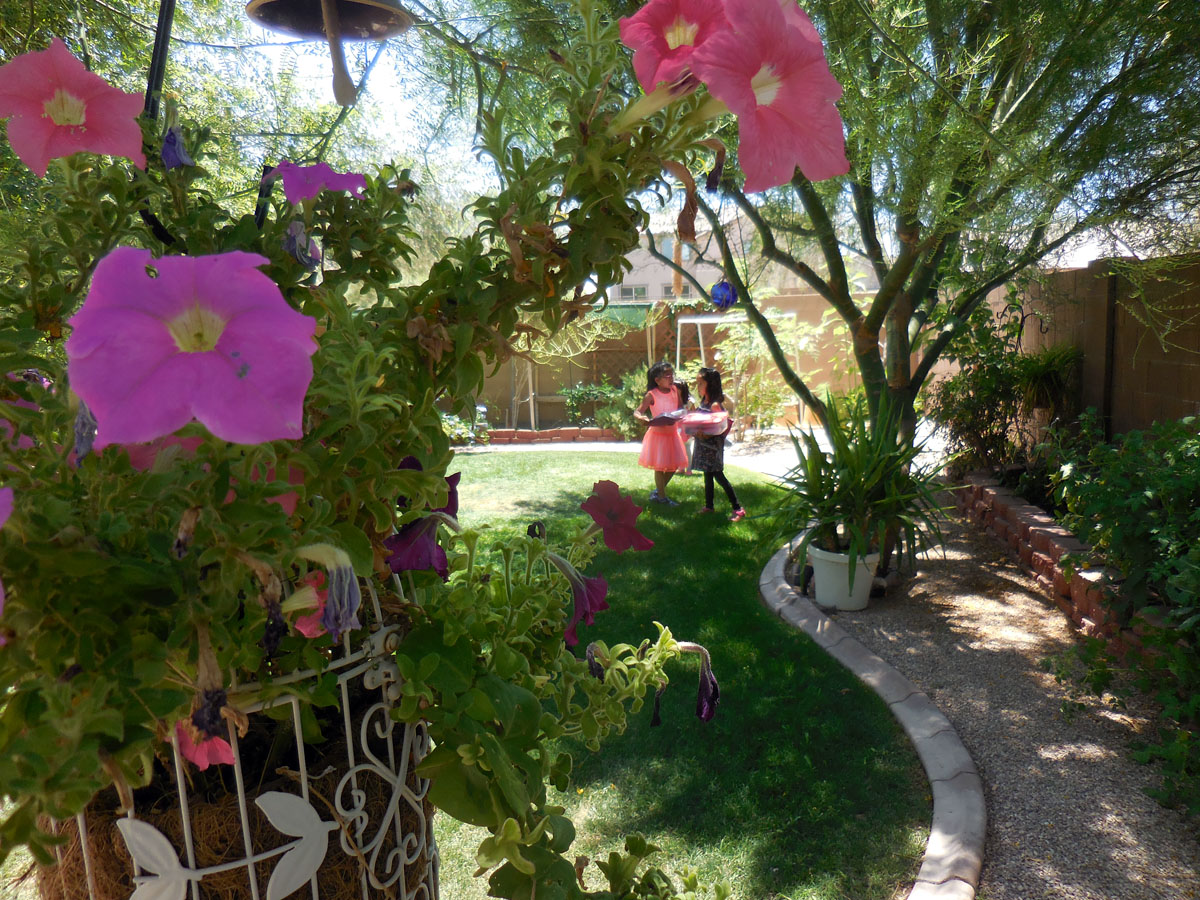
As for photography, there’s plenty of material to photograph right here in our back yard!


The call to teach, as seen through a different lens

Today is the last day for two of my team members at Salt River Elementary. Wes Filhart has been our PE teacher for 9 years. Suzanne Decker leaves after a 14-year run. There is so much I have learned from them over the years.

It’s not fun when your core members leave. They sure motivated me with their passion for their job, and their infectious sense of humor. Which is a great way to set up this video that Mrs. Decker, titled The Five Phases of Teaching’.

On a different note, below is last year’s Spring music event, one of the many well-produced events Suzanne has been putting together. You can catch a glimpse of Wes, a musician in his own right in the clip (at 4:14 secs.)

Solar oven Chili Cook-off returns as school winds down

For the second year, I’m holding the Solar Oven Chili Cook-off.

Nothing like bringing the school year to a close at the computer & tech lab, than something that does not involve batteries, software or screens. I think we have all had enough of that!

So let’s chow down and enjoy some class recipes!

  • Three 5th grade classes and three 6th grades will bring their own recipes and compete.
  • Next Tuesday’s temps should reach 105 degrees. The oven usually gets to 275 – 300 degrees, even without reflectors.
  • I’m bringing a Sri Lankan killer chili for those who dare!

Though this is the second annual Chili Cookoff, this is the third year of incorporating a solar oven project into my STEM curriculum, thanks to Solavore. We use the Solavore Sport ovens. In the picture, extreme right is Solavore founder and CEO, Ann Patterson.

Why good writing matters. Even in the PowerPoint obsessed business world

The reason we teach writing is to get students to illuminate their ideas. The craft of writing is indeed on the decline, a topic I have dealt with in many posts before.

So I was heartened when I came across how Jeff Bezos, CEO of Amazon insists that his staff write memos with a ‘narrative structure.’ (See Fortune magazine article on this.) The reason? He requires someone to communicate clear thinking. Unfortunately, we let bullet points take the place of rationales, criticism, and memos. Or even advertisements.

I see an ad for a charter school that’s the biggest mish-mash of bullet points and headlines I’ve ever seen. It comes up as a slide in a cinema I visit. Every ‘important’ point has been thrown in for the audience to consume in about 4 seconds.

I do hope they teach writing, though. The Elements of (Jeff Bezos) style, at least.